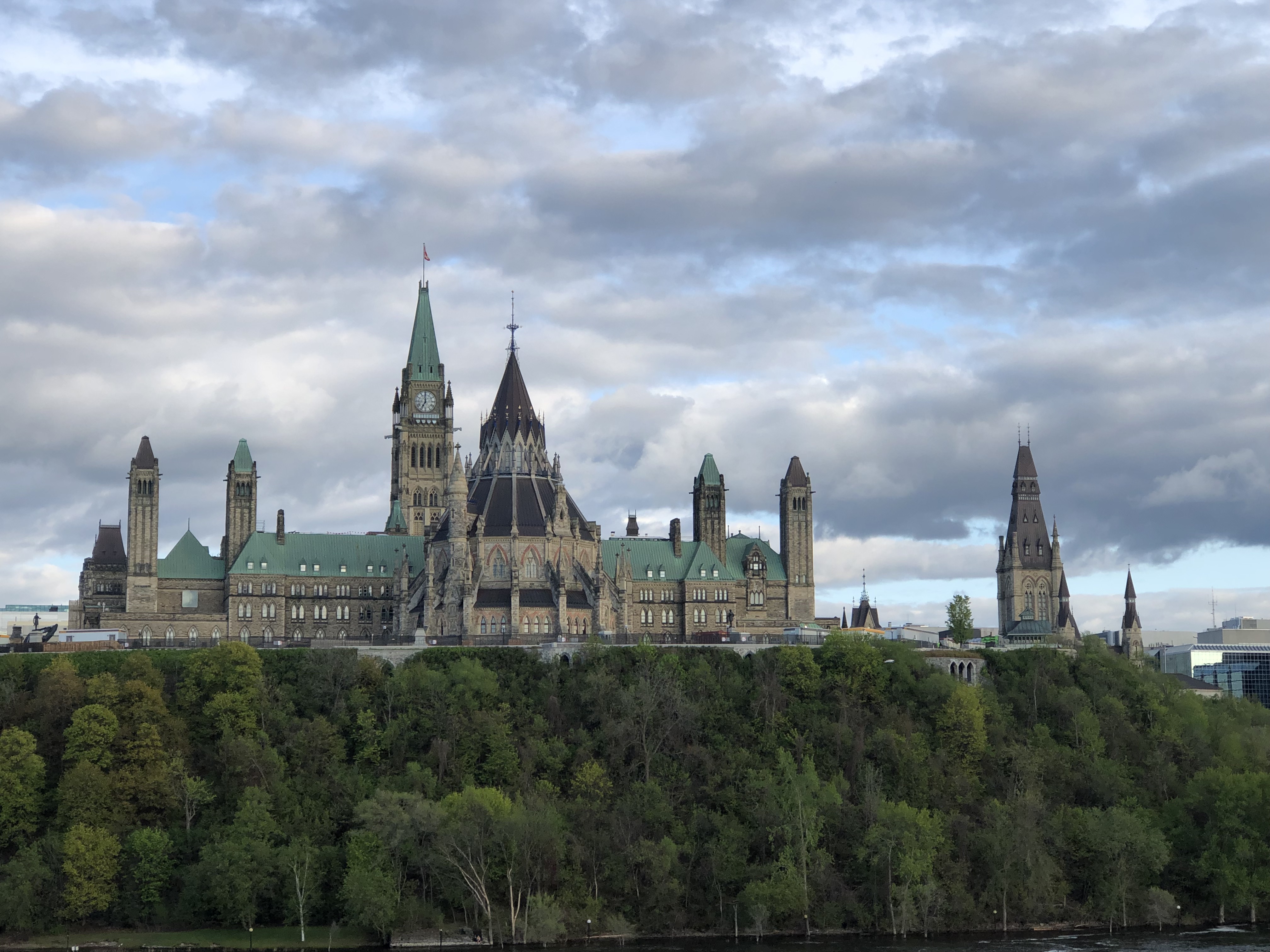
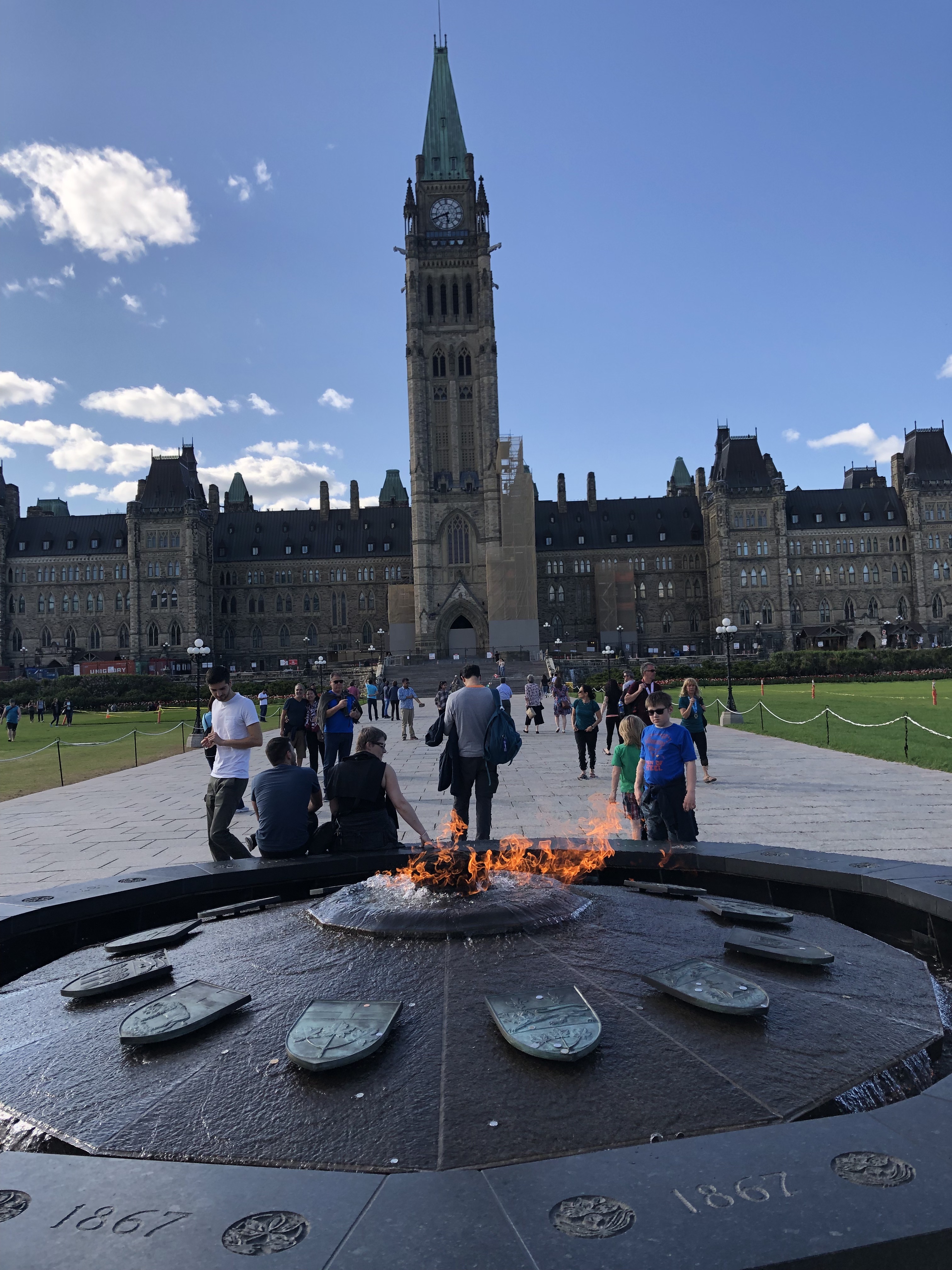
Being the capital of Canada, it goes without saying that Ottawa has plenty of government buildings. The city center also sits on an elevated hill off the shore of the Ottawa river, meaning that their main buildings could sit there and overlook everything. Because I had lots of work early in my trip and didn’t want to tire my legs out with tourism, I didn’t visit any before my race. However, the Friday before my race I did a quick warm up run to the shore of the Ottawa river and back. From there, I got lovely views of Parliament Hill, which you can see above. It features a huge clock tower, reminding me of Big Ben in London. It was flanked by the halls of parliament itself, wide brick buildings that were topped with green roofing. To be honest, I was a little surprised to not see any red, in the spirit of the country’s flag and maple leaves.
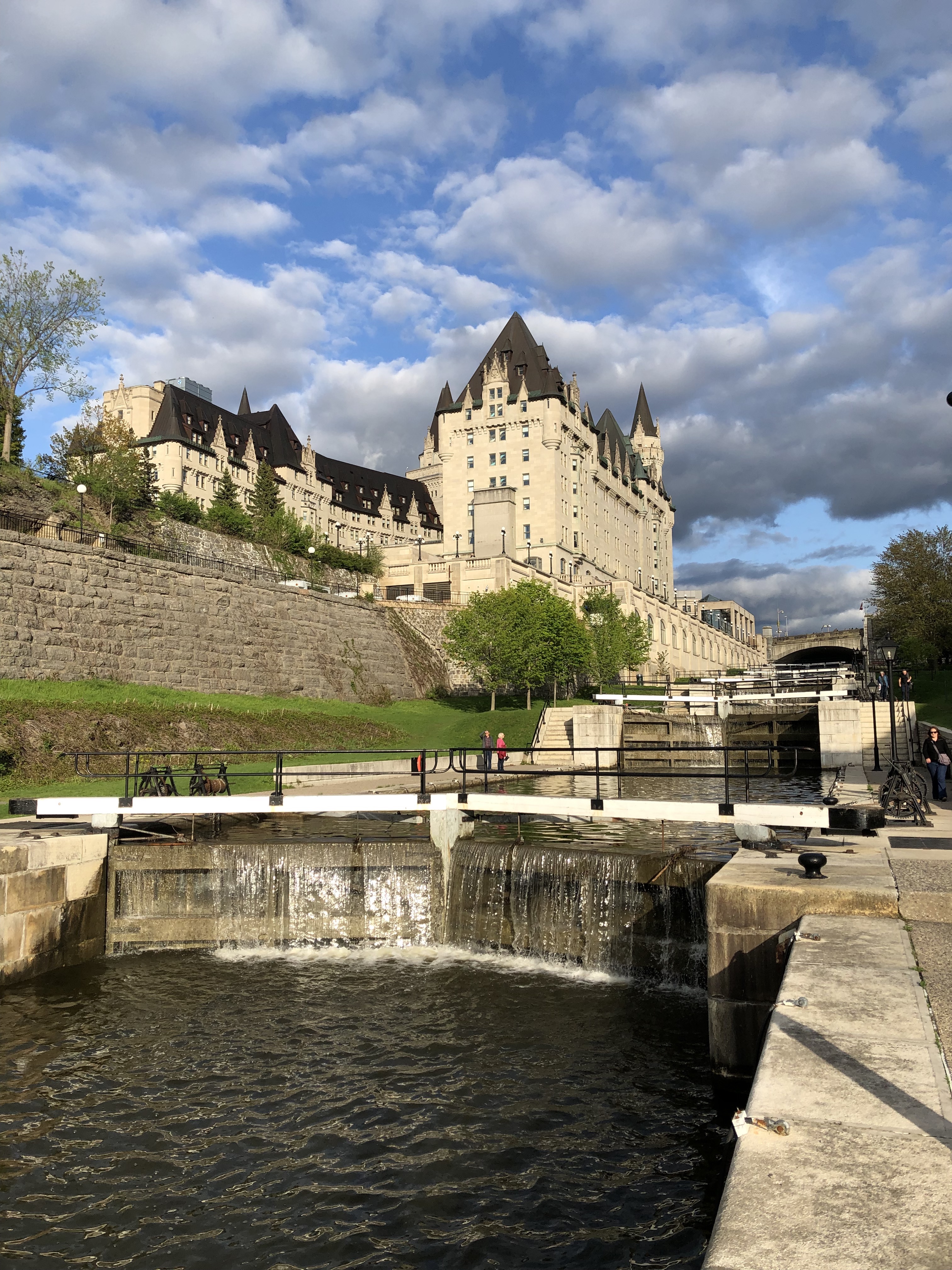
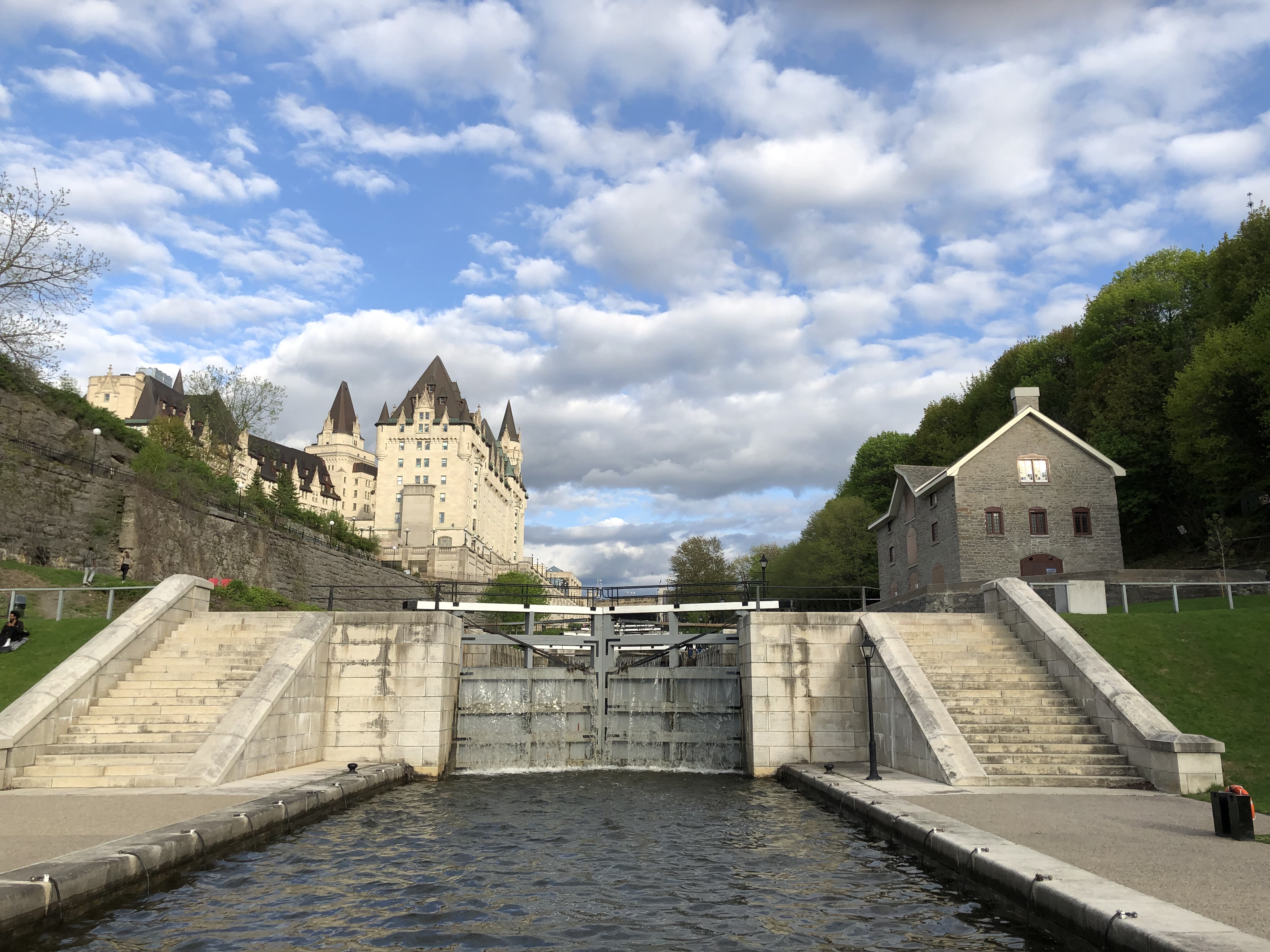
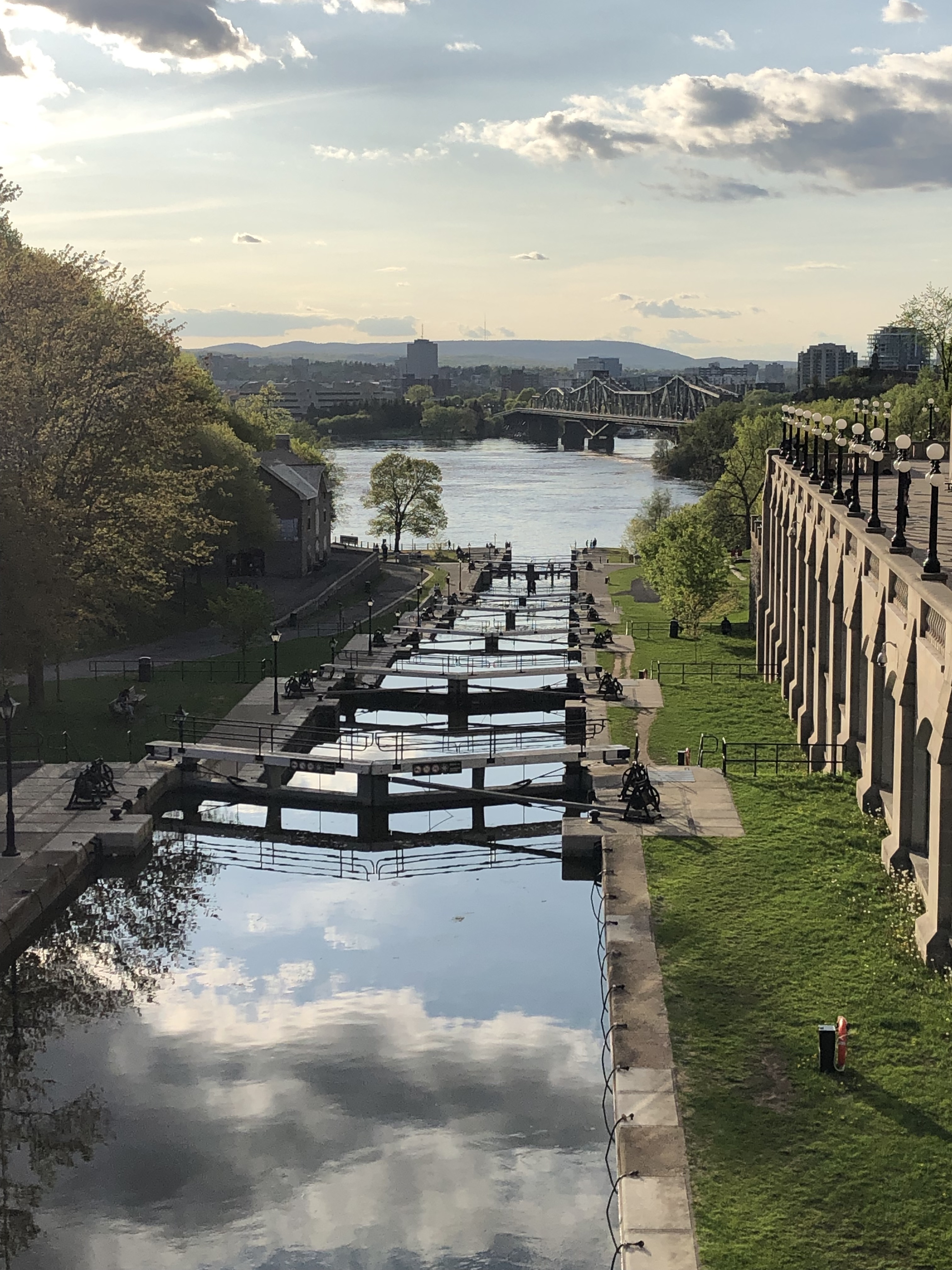
Along that run, I also saw a couple other lovely landmarks. The first was the Rideau canal, and the locks that ran down to the Ottawa river. It’s hardly used now, but the canal was instrumental in the town’s early days for transporting logs and other goods up the Rideau river south of the city. Most Canadian cities have a Fairmont chateau, a staple of the trans Canada railway companies that built across the nation in the late 1800s, and Ottawa’s sat overlooking the Rideau locks. It was the perfect location for such a regal hotel.
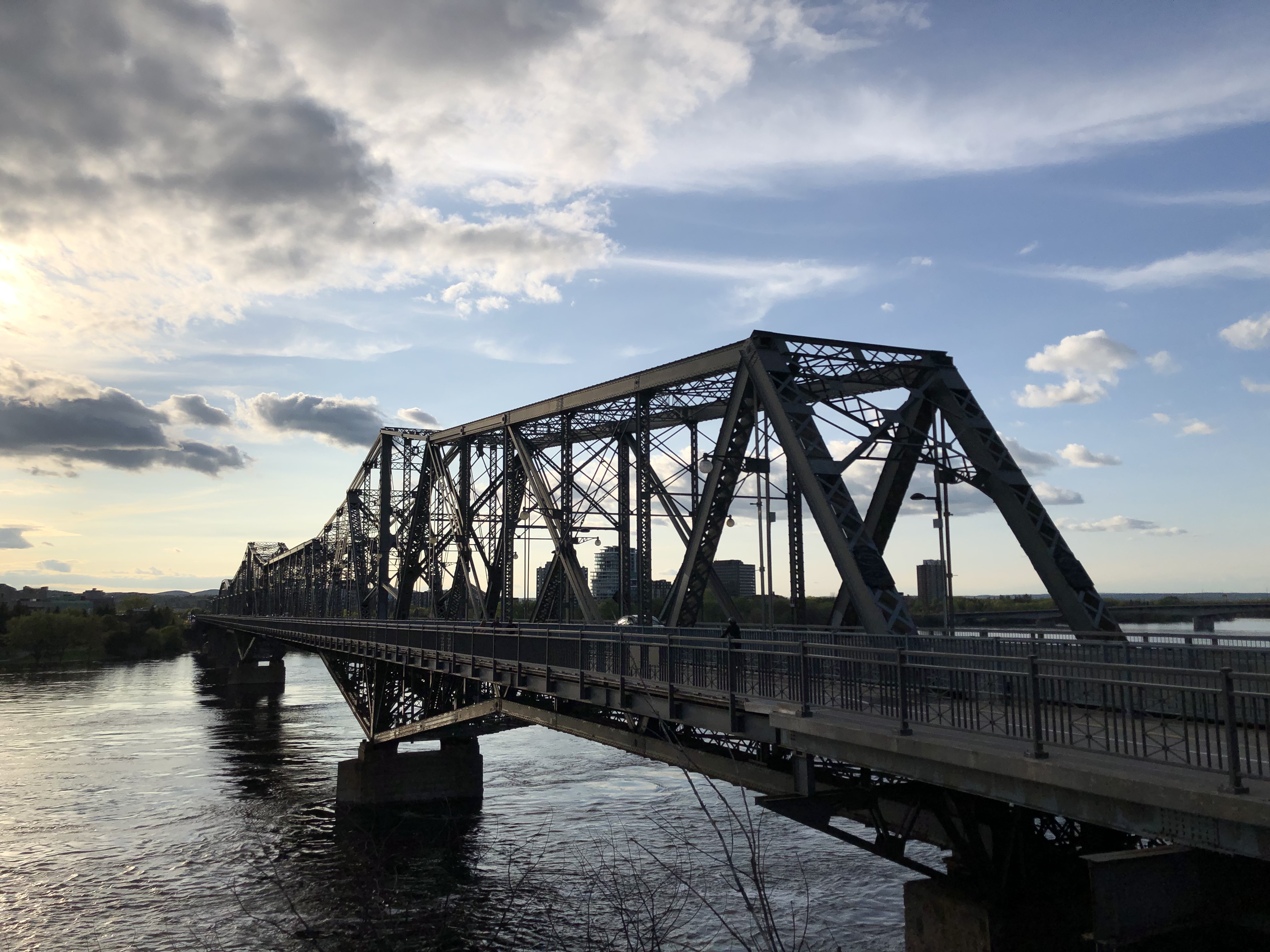
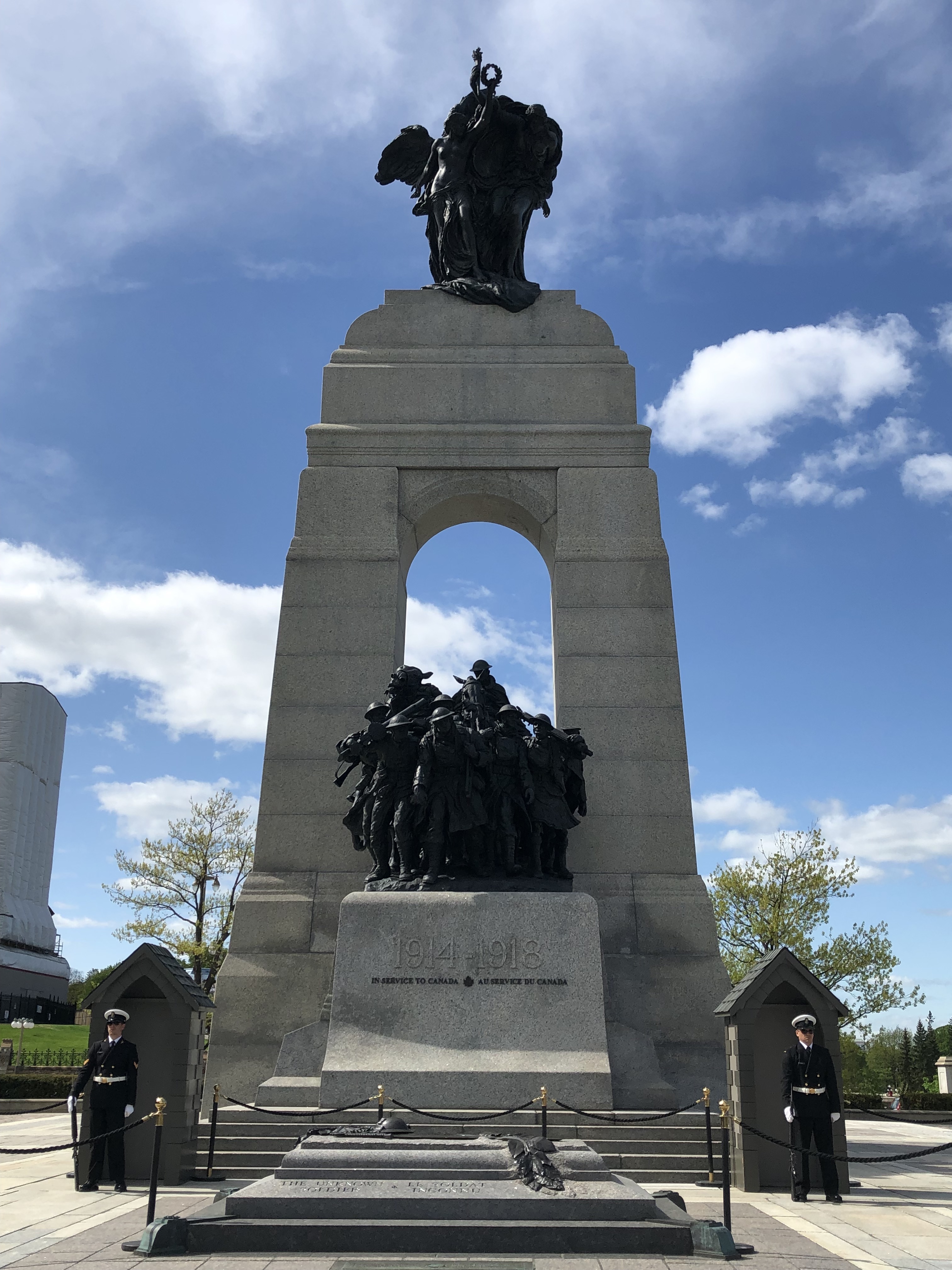
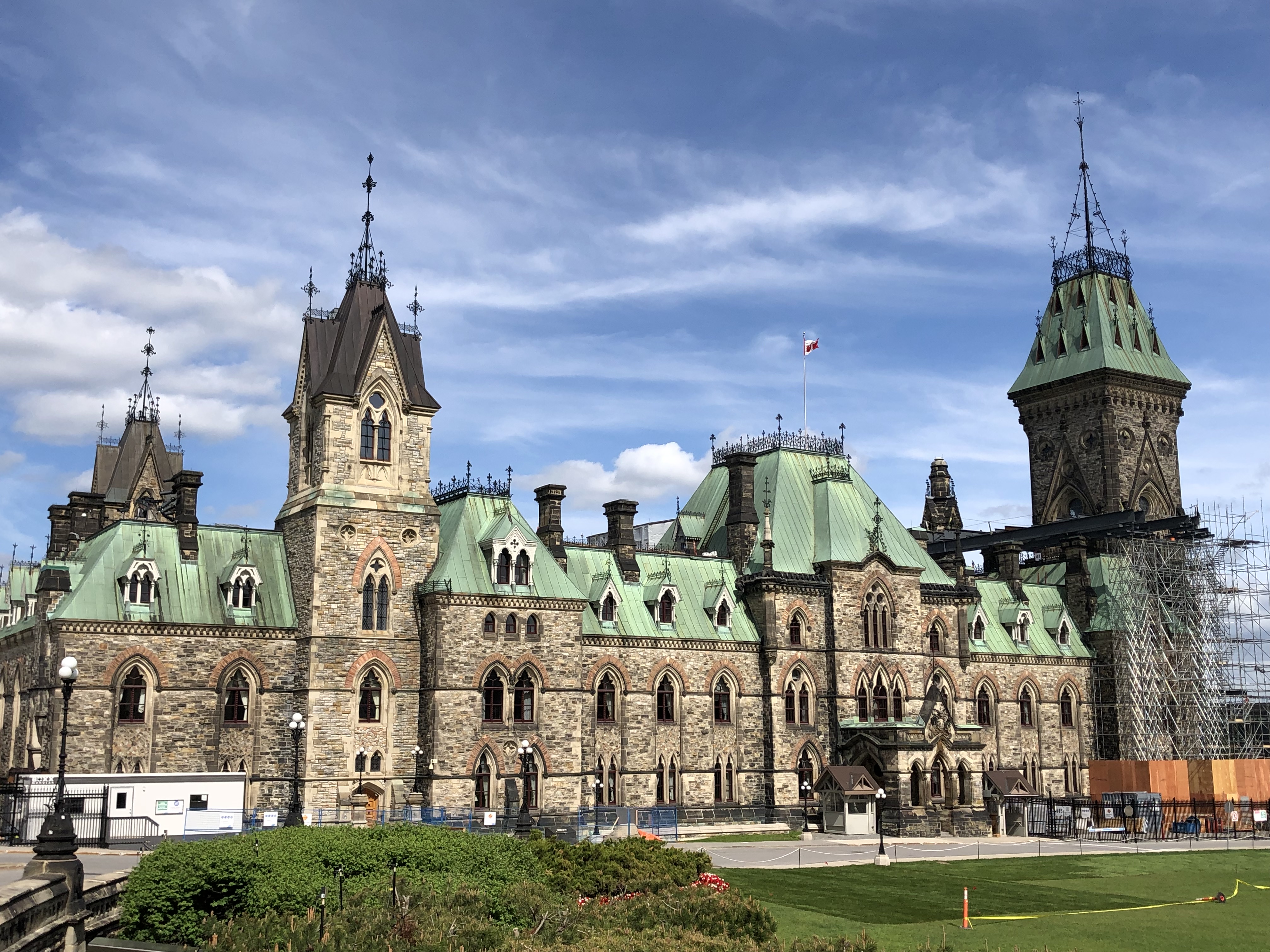
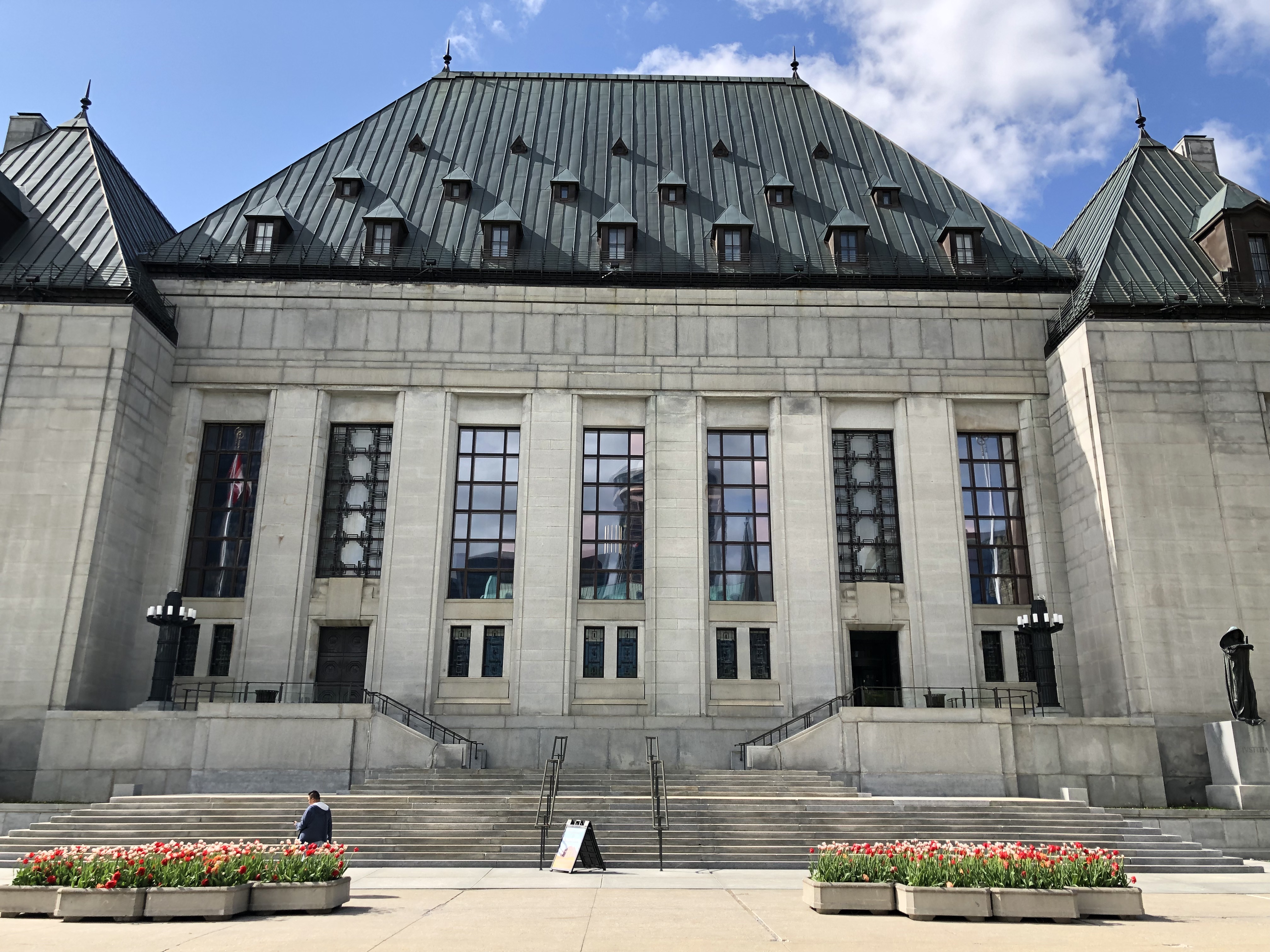
Once I had recovered enough from running my race, I hopped (or more honestly, limped), back into tourist mode. Ottawa allows visitors on timed tours into some of its buildings, and I was able to get a 4 p.m. tour through the parliament buildings. I finished my late lunch at Pure Kitchen on Elgin about an hour before the tour, but it took me nearly a half hour to amble over to Parliament Hill. Still, that left me with enough time to wander around and take pictures of some of the landmarks. One of the most striking were monuments to each of the wars that Canadian soldiers had fought in, notably the two World Wars and the Korean war. Upon closer look, it was more clear that the bricks of the parliament buildings were starting to blacken and be stained with soot. One by one, they were actually being renovated, and construction scaffolding was propped up on a couple buildings, the most noticeable of which was the base of the clock tower. There was an eternal flame memorial to commemorate the nation’s centennial anniversary in 1967, framed nicely in front of the clock tower. Before my tour, I had just enough time to stop by their Supreme Court building as well. Here’s what they looked like:
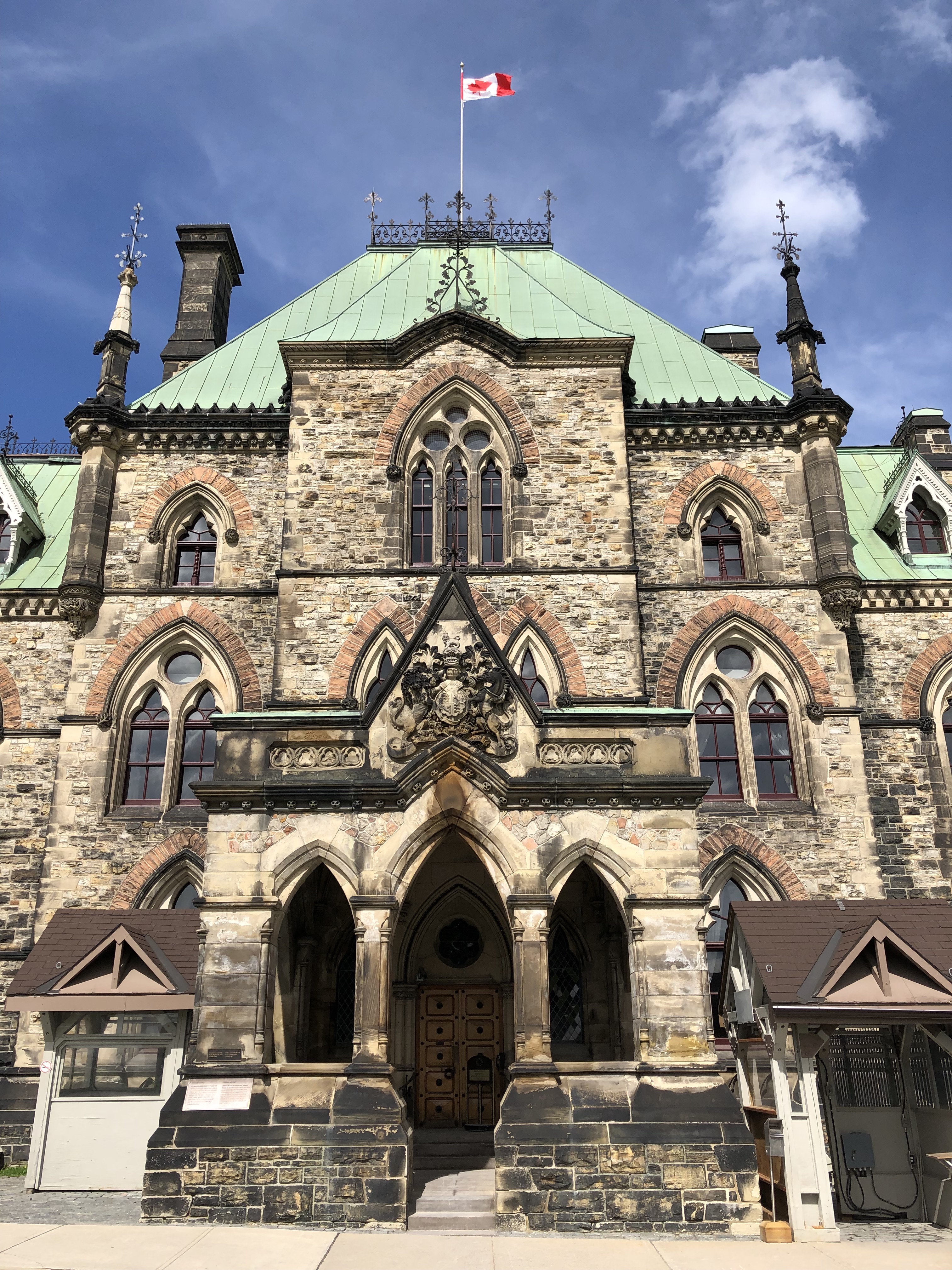
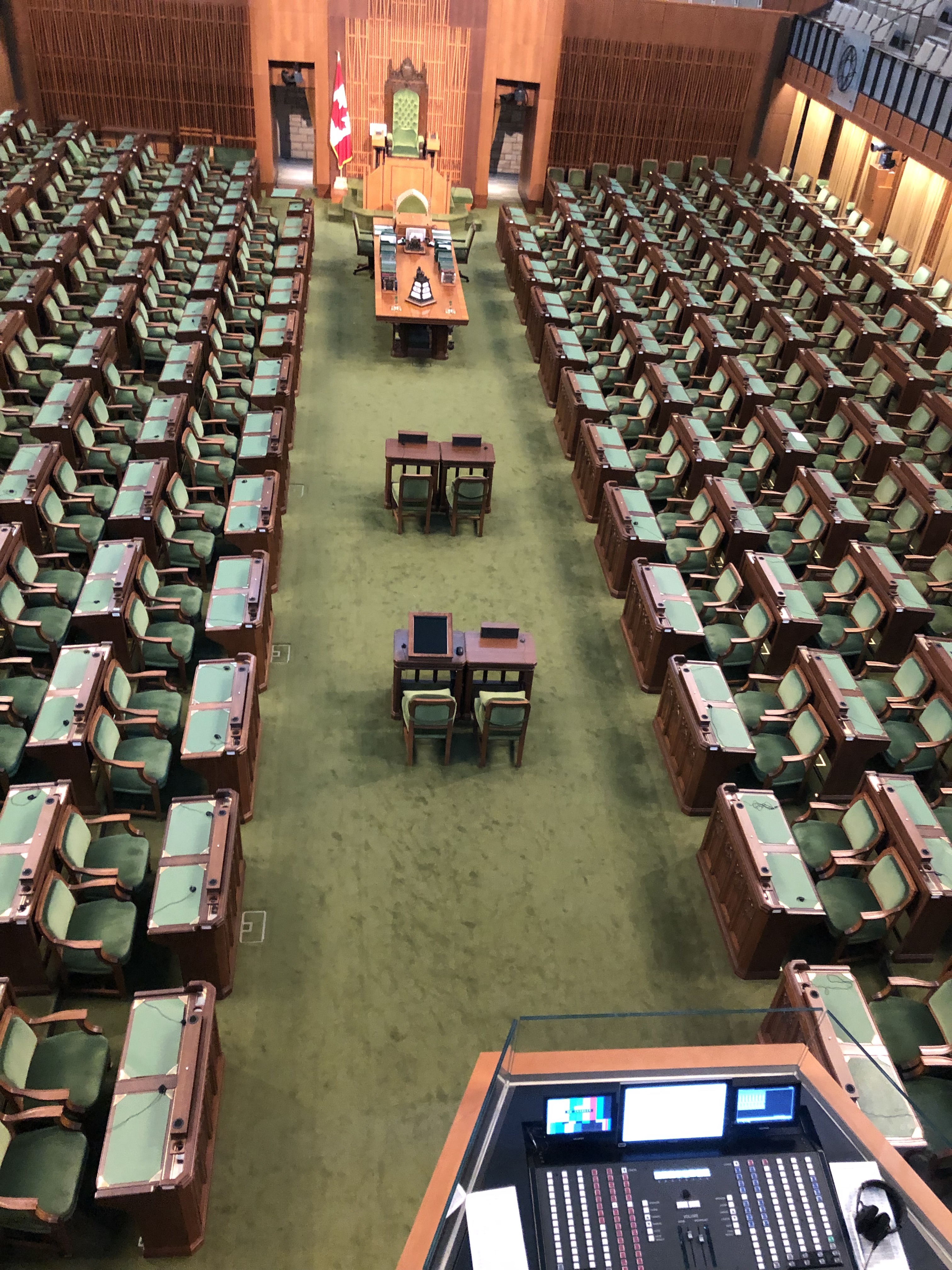
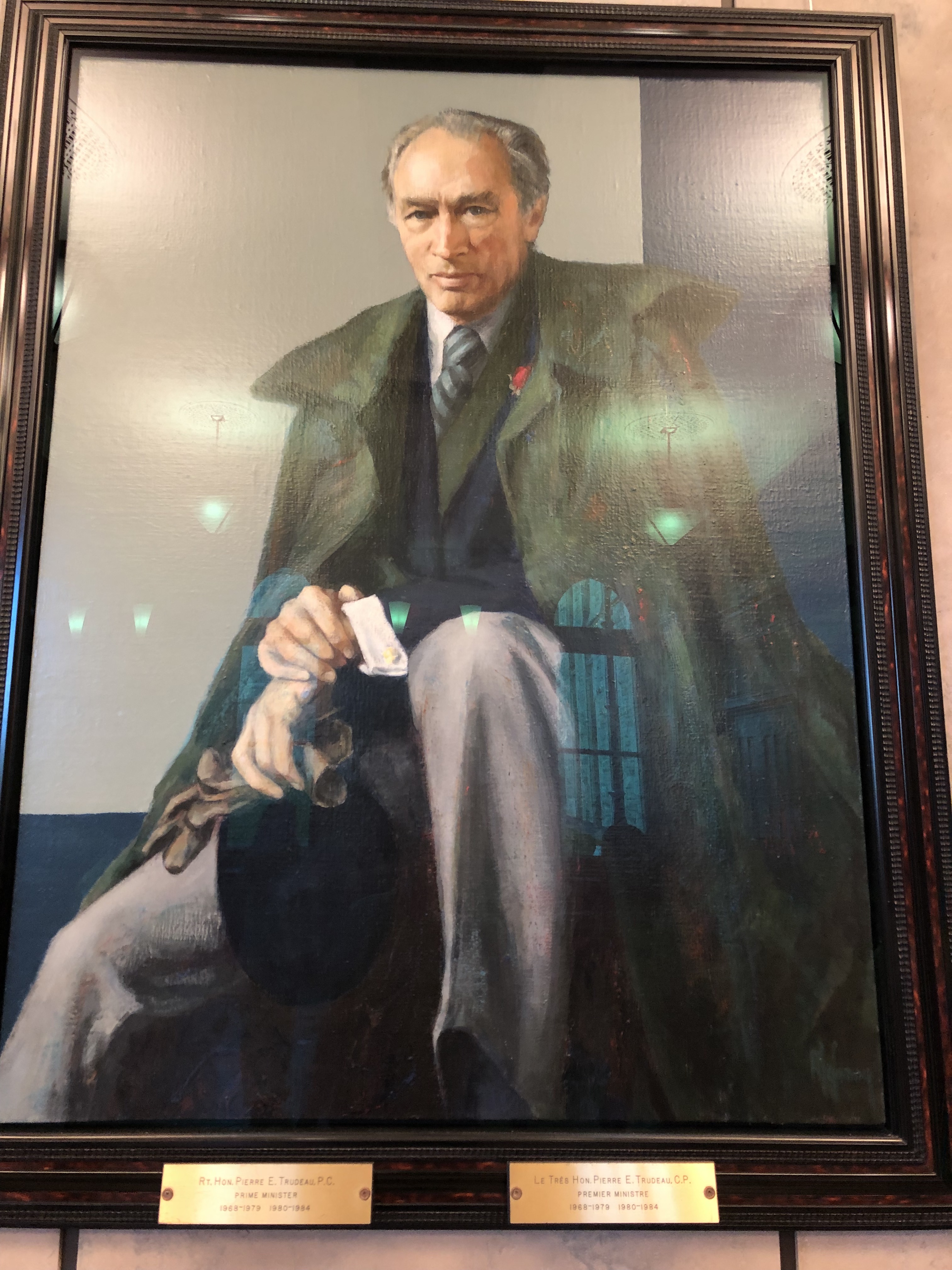
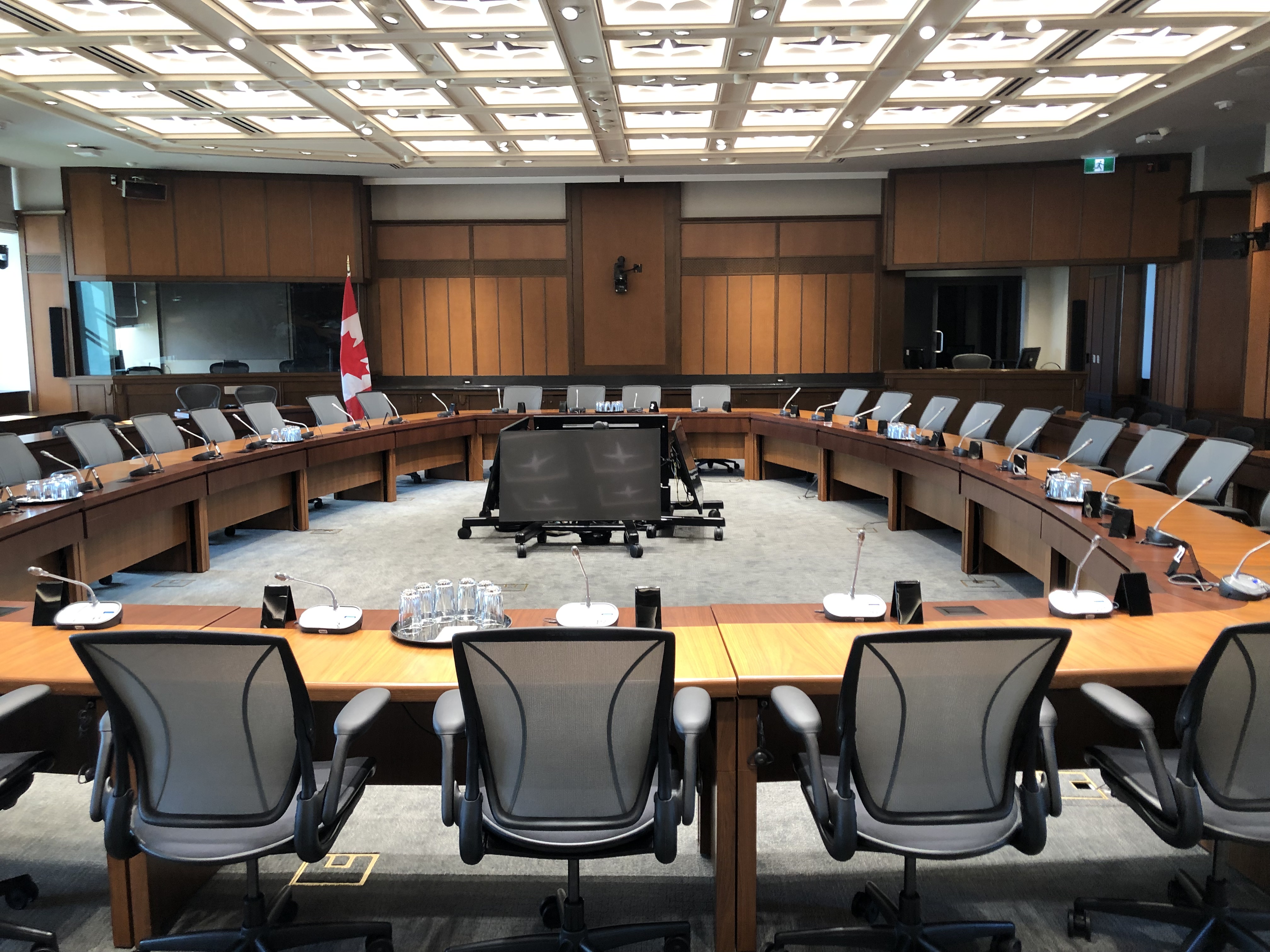
Right on time, I was able to enter the tour of Ottawa’s parliament building. It was led by a student from Montreal’s McGill University, who was on break from university. The official chambers were closed for renovation, so we were given a tour of the alternate buildings being used in their stead. The chamber itself is known as the House of Commons, the only name used now that something aristocratic like House of Lords has fallen out of fashion. The guide kept prefacing each politician’s name with “the right honourable”, which is apparently a custom there. It’s something I can’t imagine happening in the United States these days. Anyhow, another interesting custom she mentioned was the presence of a rifleman that was assigned to sit next to the Speaker of the House of Commons. It’s probably not necessary now, but in Canada’s early days the speaker was often charged with passing on unfavorable news to the British government. This meant that assassination attempts were frequent, hence the assigned guard. Lastly, portraits of various Canadian prime ministers lined a couple of the hallways. I recognized some of them because they had lent their names to airports, like Pierre Eliot Trudeau for Montreal’s airport, or Pearson for Toronto’s and Jean Lesange for Quebec City. Ottawa’s airport bears the Macdonald-Cartier name, two of the joint “founding fathers of Canada”. The chambers reminded me more of the Hungarian parliament than the United States capitol setup, in that it was more cozy and compact than that other chamber. The seats looked plenty comfortable enough to work in, and I suppose that’s the most important part.
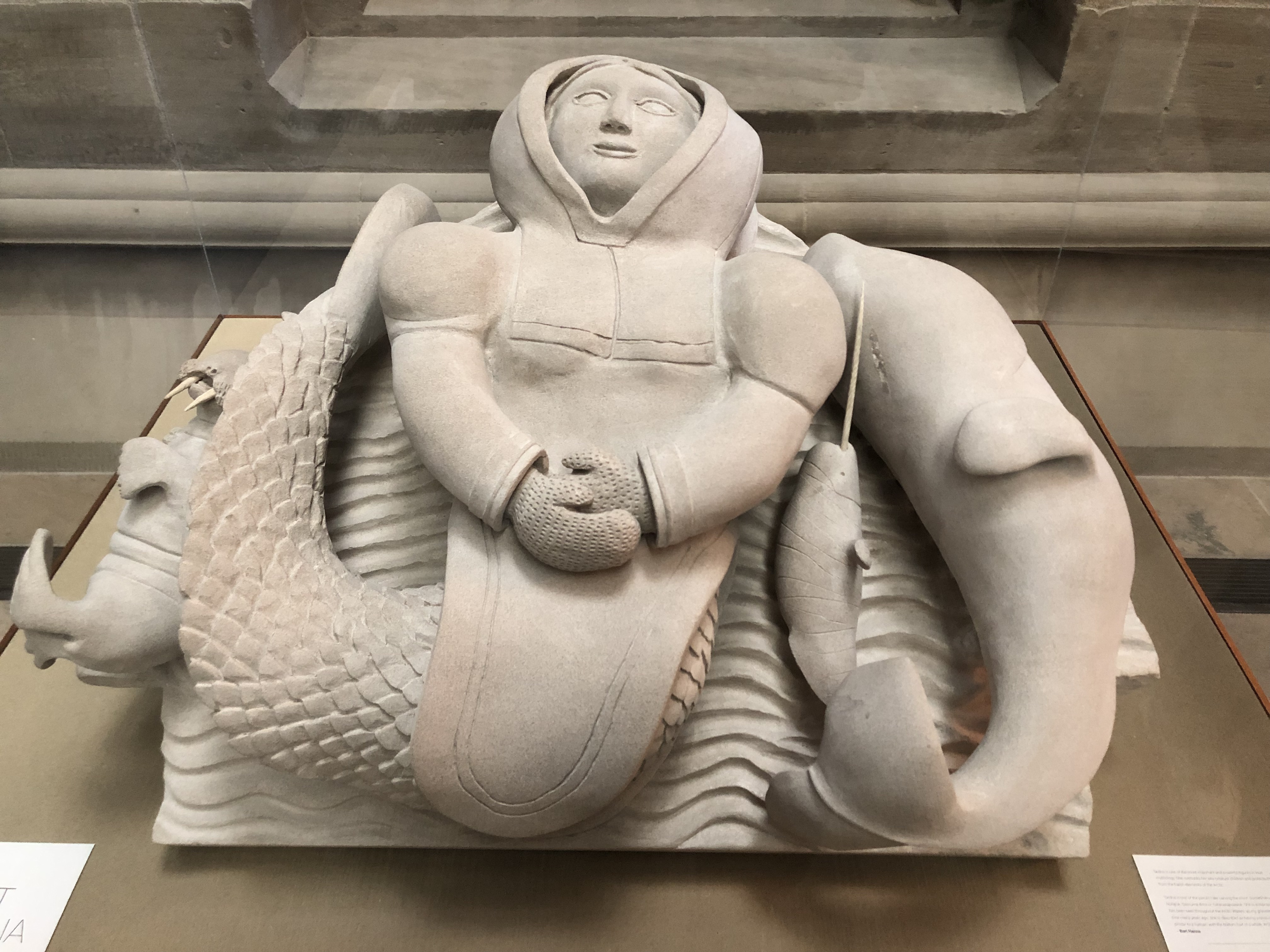
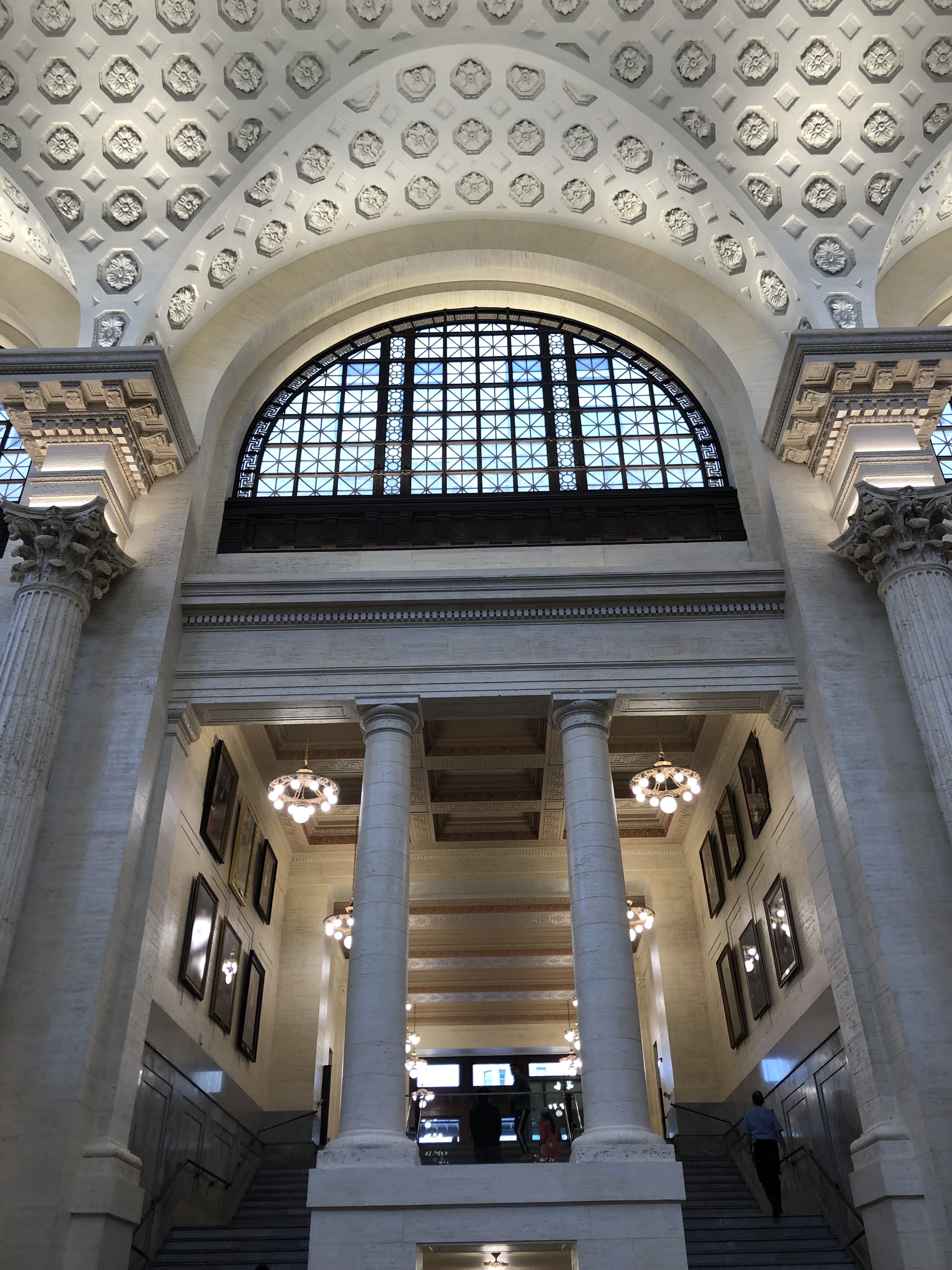
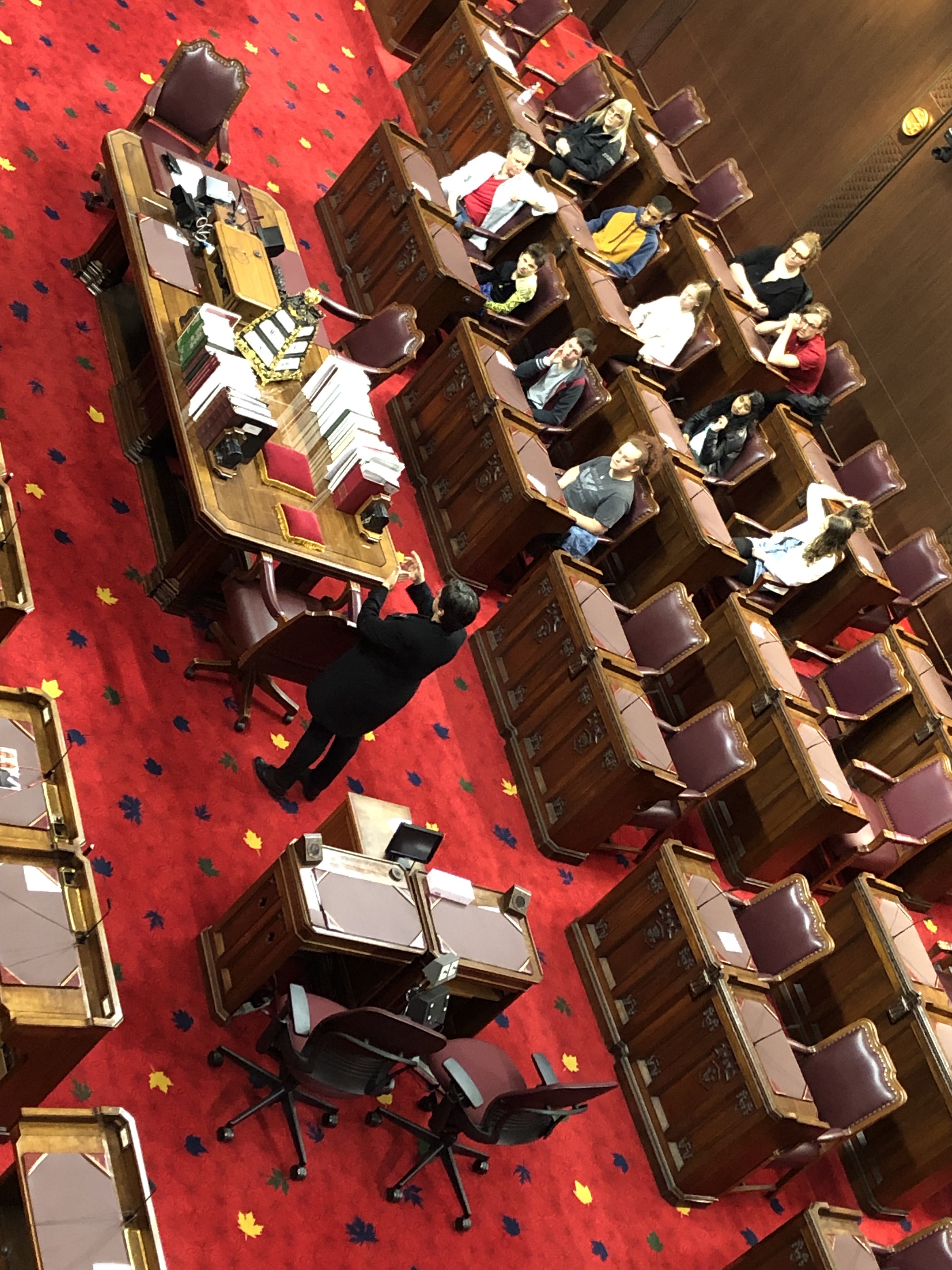
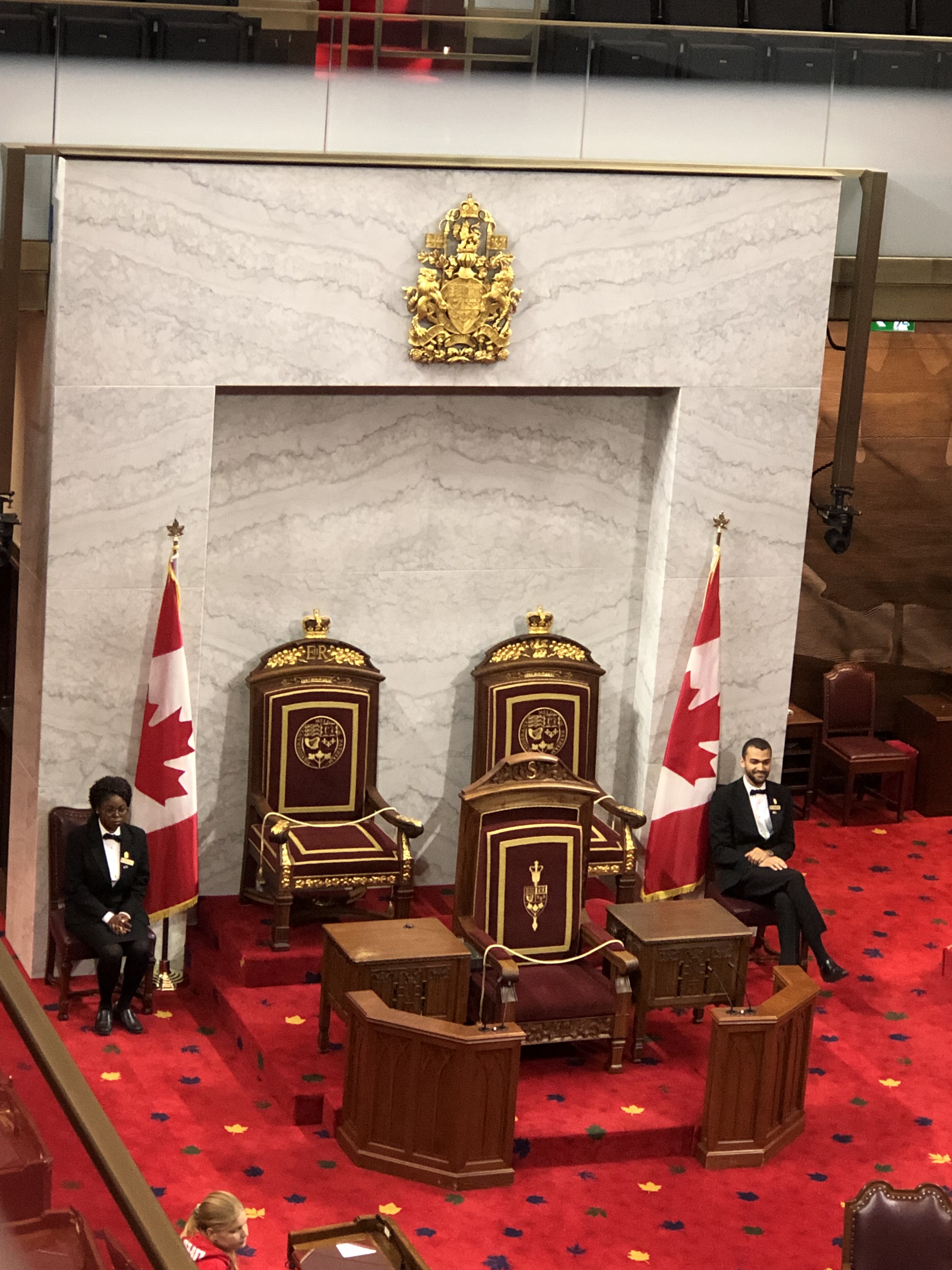
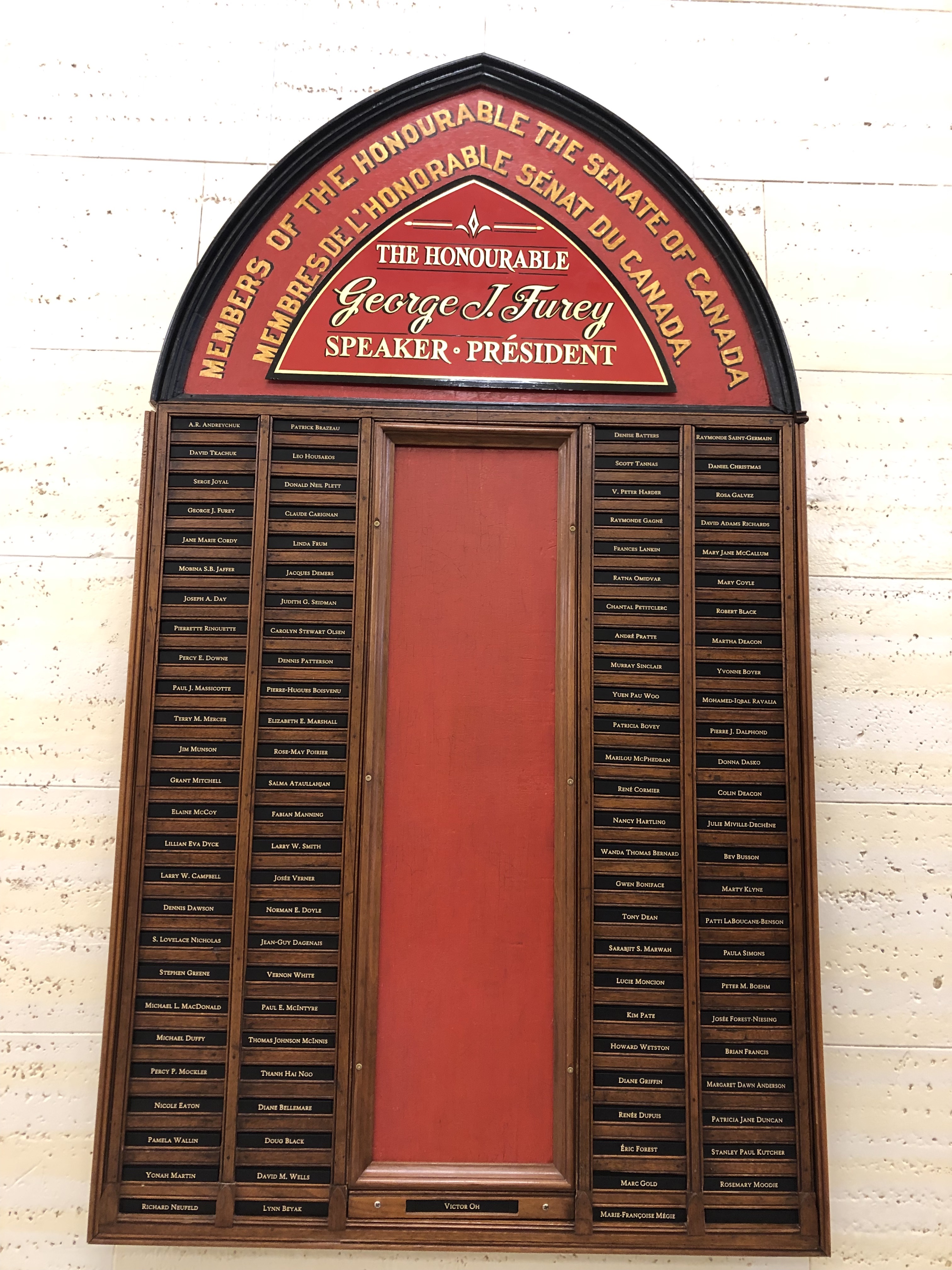
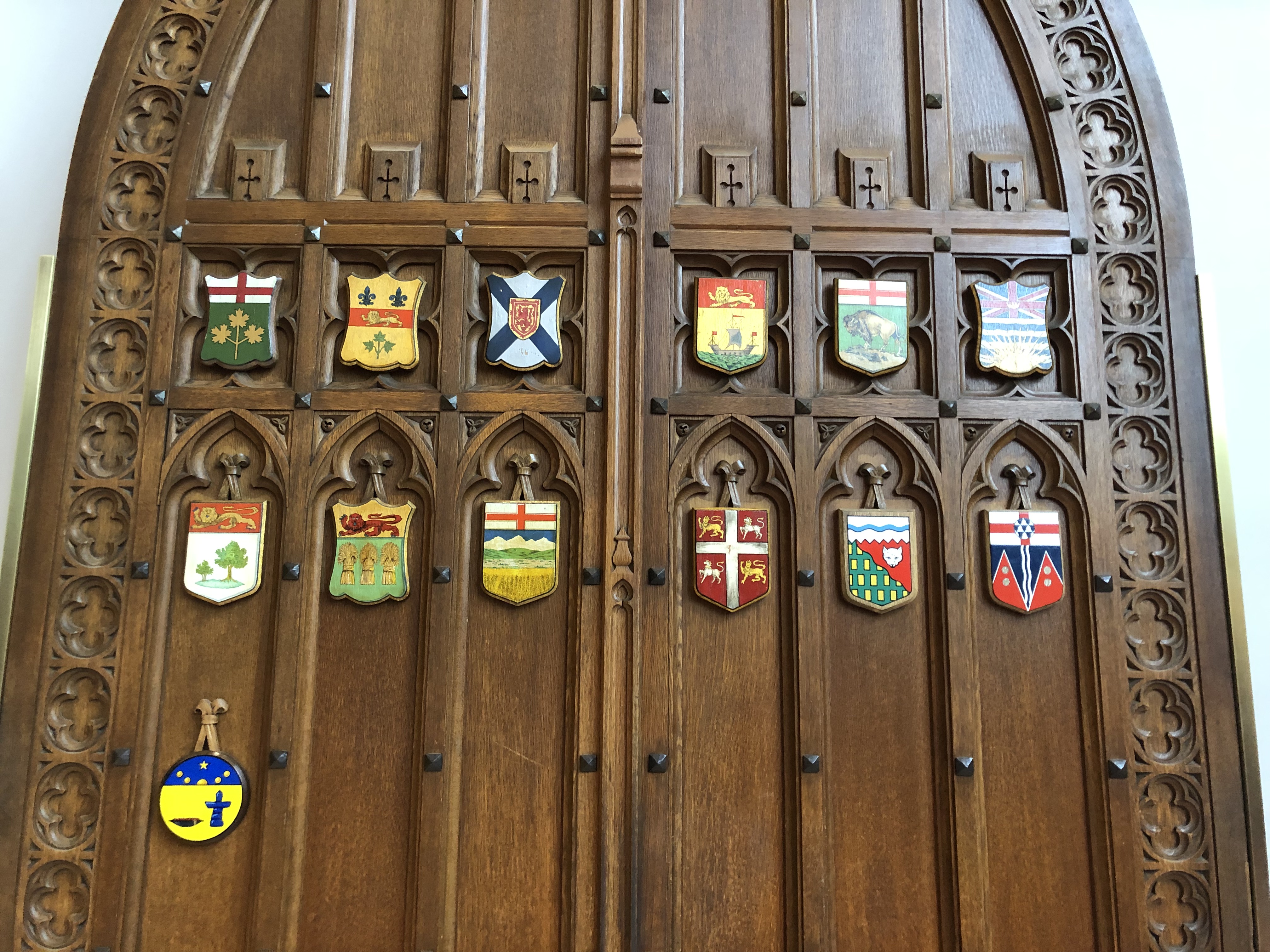
The next morning, I managed to snag entry for a Senate chamber tour at 10:15 a.m. Although I had the Memorial Day off in the states, it was business as usual for Ottawa on this Monday and I was left to myself in most of the places I visited today. After getting a kickstart with a cappuccino at Equator coffee, I made my way to the Senate building, just alongside the Rideau canal. Unlike the older Parliament buildings, the entrance to this one was high and vaulted, supported with Greek columns. The steel and glass windows above reminded me of a train terminal, something like New York’s Grand Central. This tour actually ended up being a good bit shorter than the parliament tour I had. The senate wasn’t in session today, so we were able to visit each of the chambers. We also witnessed a school group seated in the senate members’ usual chairs, something casual that I wouldn’t expect in our nation’s capitol but thought was cool to see here. Even the security guards at the front of the room seemed to enjoy watching the kids learn more about their nation’s government in the chambers themselves. Members’ names were still prefaced with “the right honourable”, establishing it as a trend to me. Lastly, the chamber doors had the emblems of each of the 10 Canadian provinces and 3 territories emblazoned on it. Props to anyone who can identify each one!

So, are Ottawa’s government buildings worth a visit? I certainly found it interesting being able to visit the chambers of Canada’s seat of government with reservations just a day in advance. The Parliament Hill buildings are really impressive in their own right, and I actually like their layout more than even the United States capitol. Aside from the marathon, I can’t say it would’ve ever crossed my mind to come out here, and definitely not just to see these government buildings. From the west coast, you’d probably pair Ottawa with a trip to either Toronto or Montreal, which are each within an hour flight or a day’s bus or train ride. If you do, I’d encourage you to stay 2 or 3 days, and these buildings are definitely worth a visit during that timeframe. It’s much less visited than Washington D.C., but I think Ottawa can hold its own when it comes to having an impressive complex for their center of government!
 Miles Down the Aisle