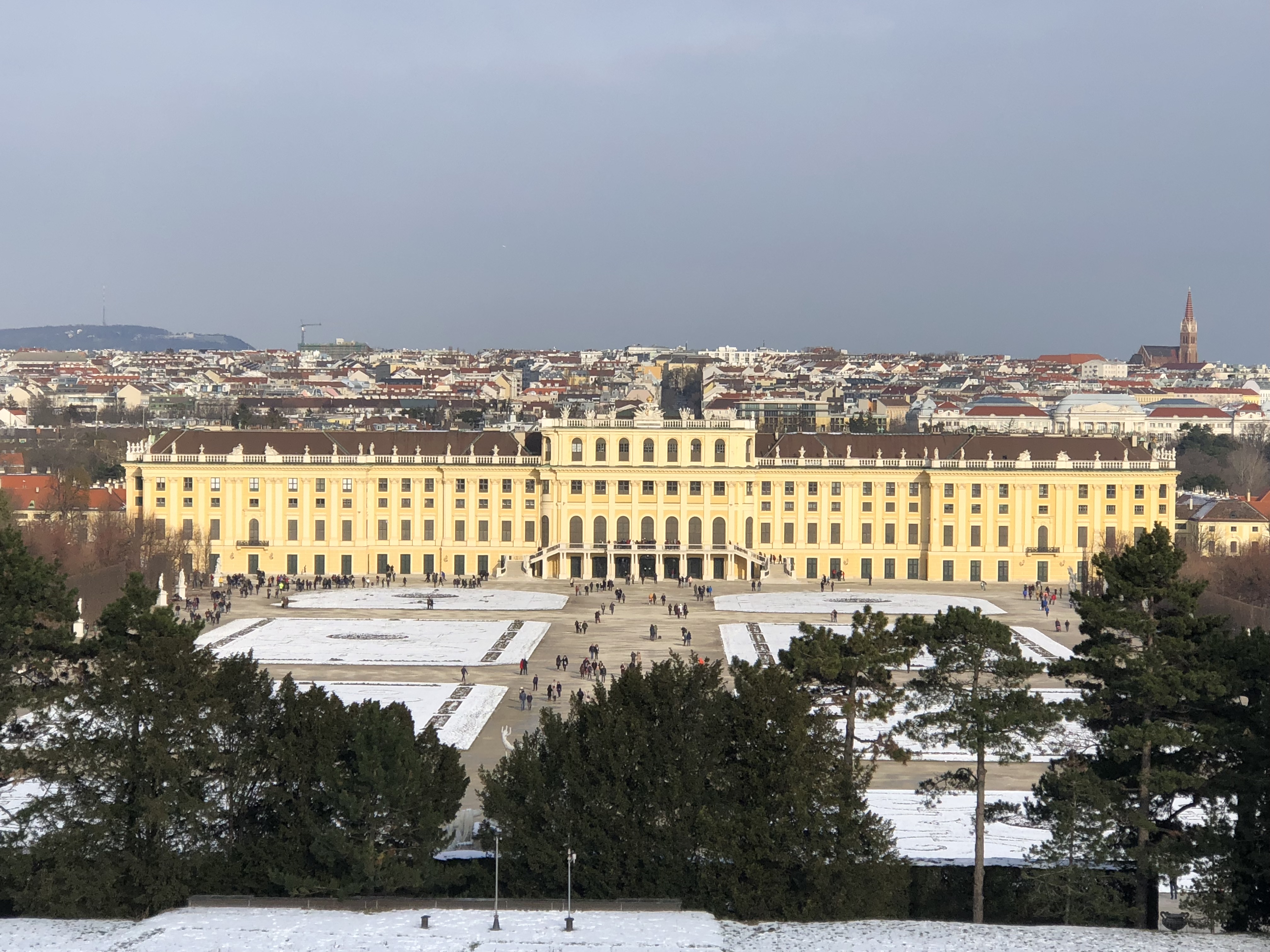
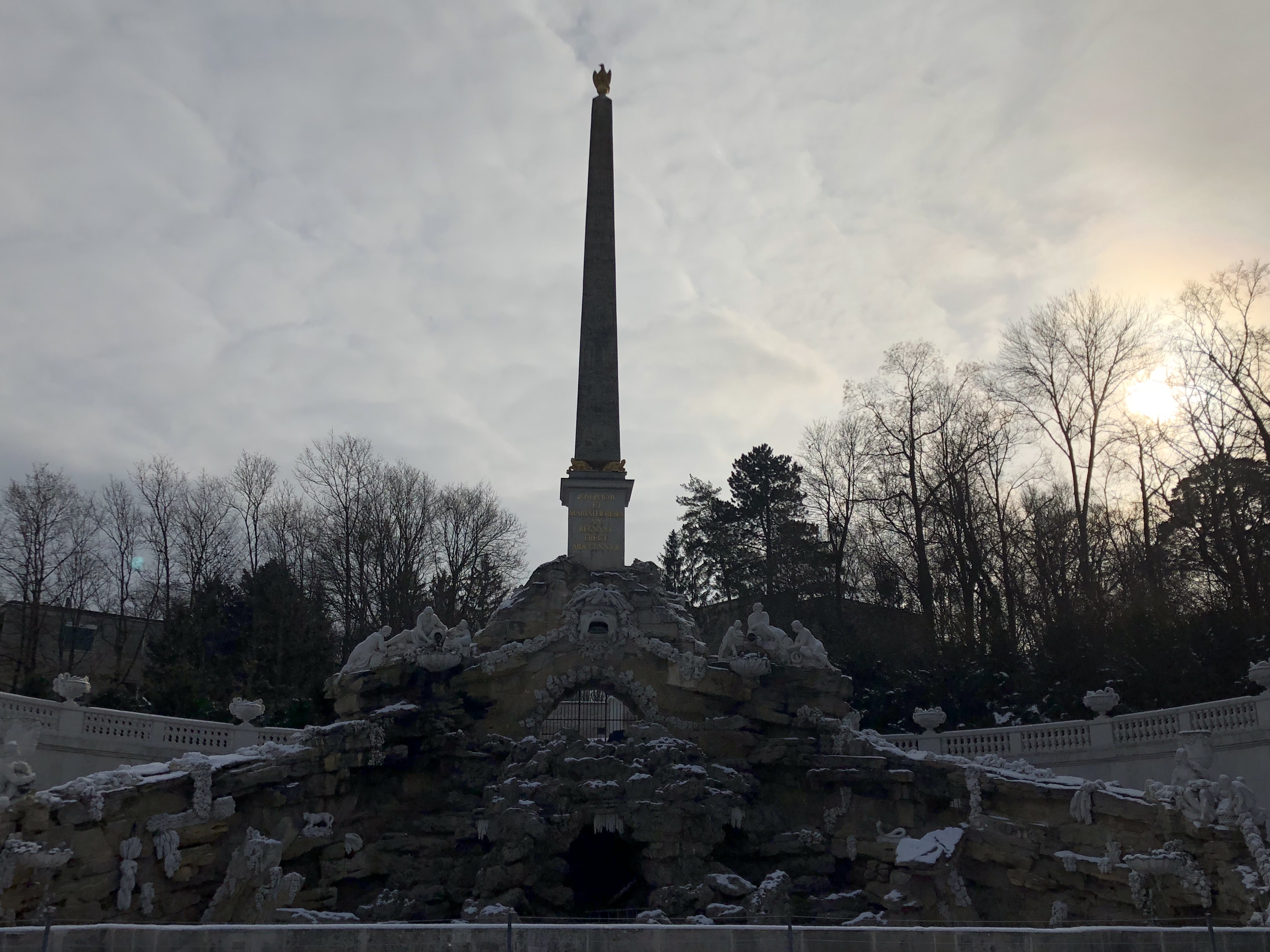
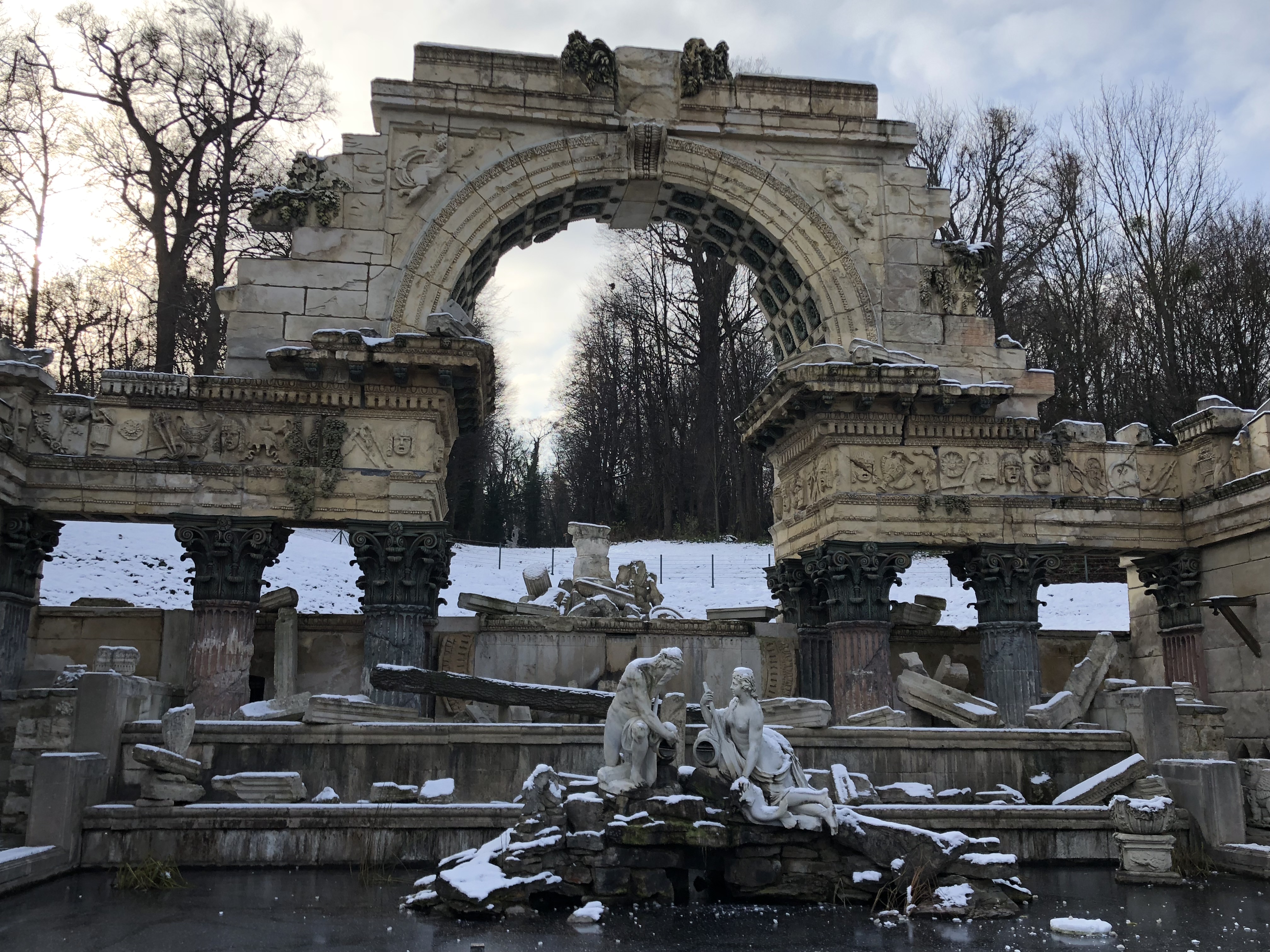
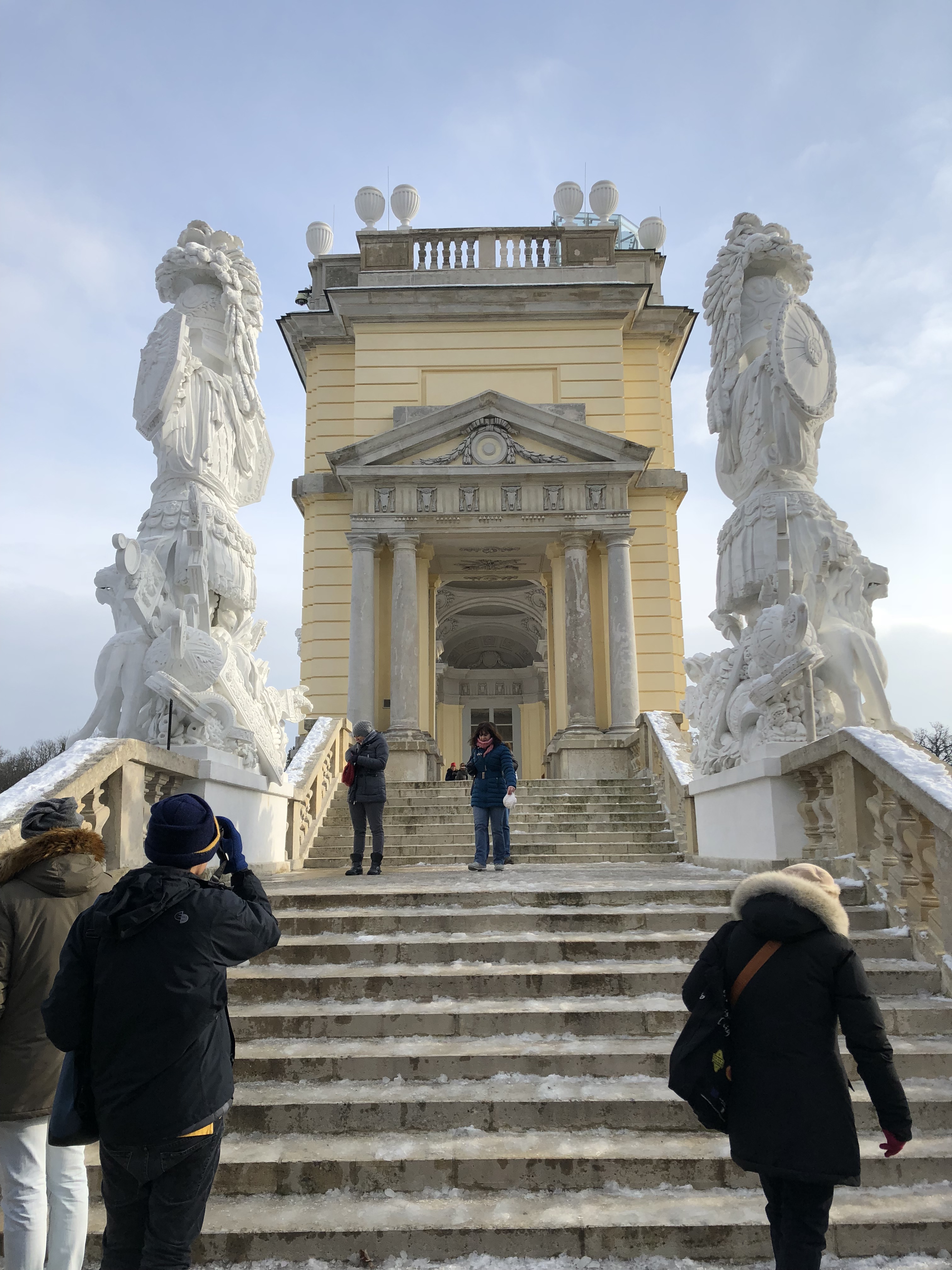
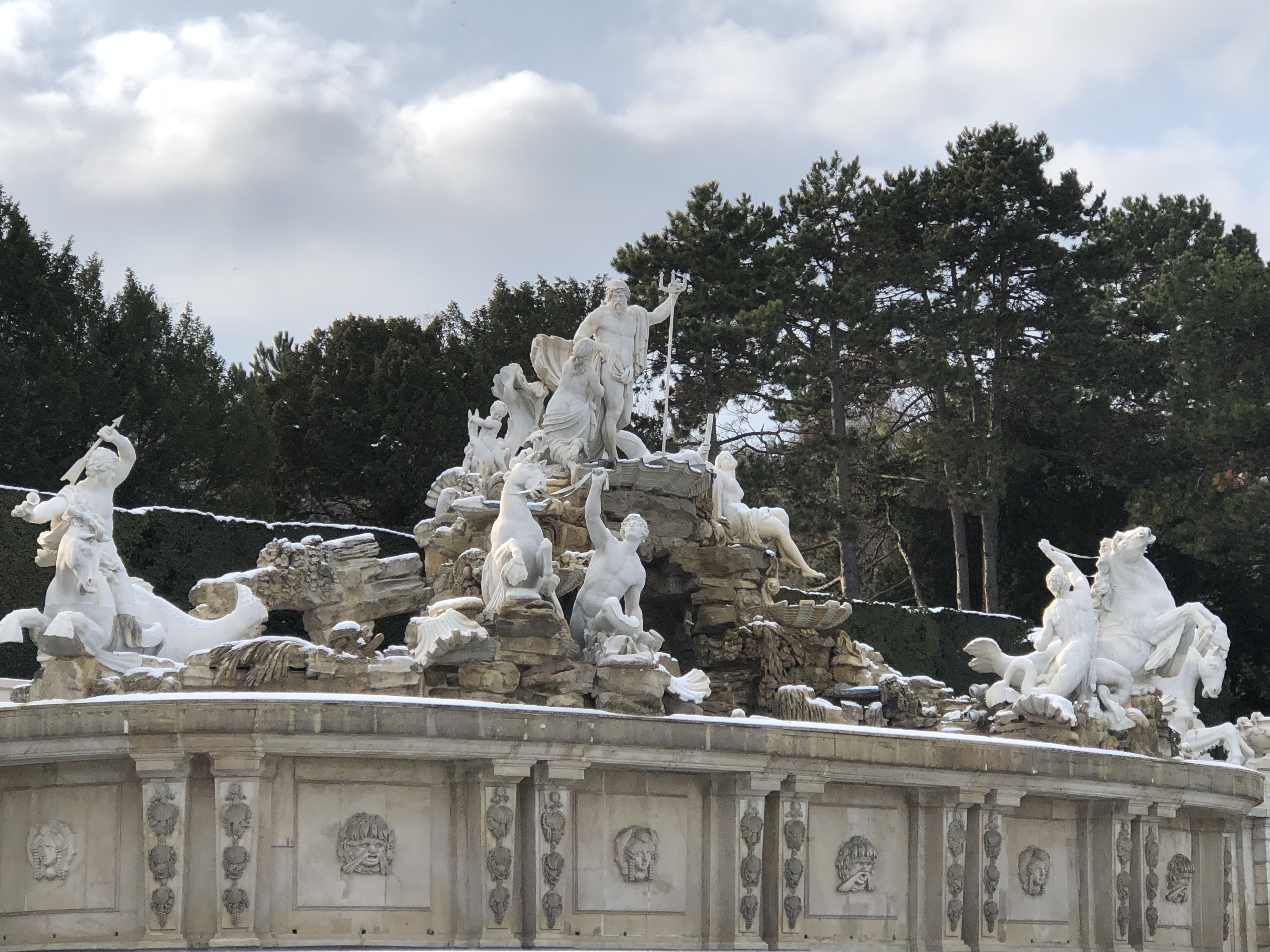
We flew into Vienna at around 4:30 p.m. on a Saturday, and were due to take a train out at 11:30 a.m. two days later. The day we landed, we didn’t have much time or energy to do anything other than get dinner and visit a nighttime Christmas market, which I’ll be writing about later. Thankfully, none of us were plagued by jetlag this time and we all slept a full 8 hours, and we managed to start our day around 9 a.m. Our group left the planning for Vienna to Joel, who was the most excited about visiting due to both the imperial and musical history of the city. After a quick breakfast near our AirBnB, we took the U-Bahn metro system to the Schonnbrunn palace. Even though it is reached by the metro now, in imperial times it took hours to travel the few miles from the city to the palace and that distance made it the family’s summer retreat. We were hoping to get entry tickets on arrival, but the tours were timed and the next one was 4 hours into the future. We decided that was too long, and spent time wandering around the monuments and gardens in back of the palace instead. They take up a massive amount of space, easily over a square kilometer. The ground and most statues were dressed in a fresh coat of snow, while the ponds all had a thin and transparent layer of ice. After about an hour and a half wandering through this snowy expanse, we took the U-bahn back towards the city center.
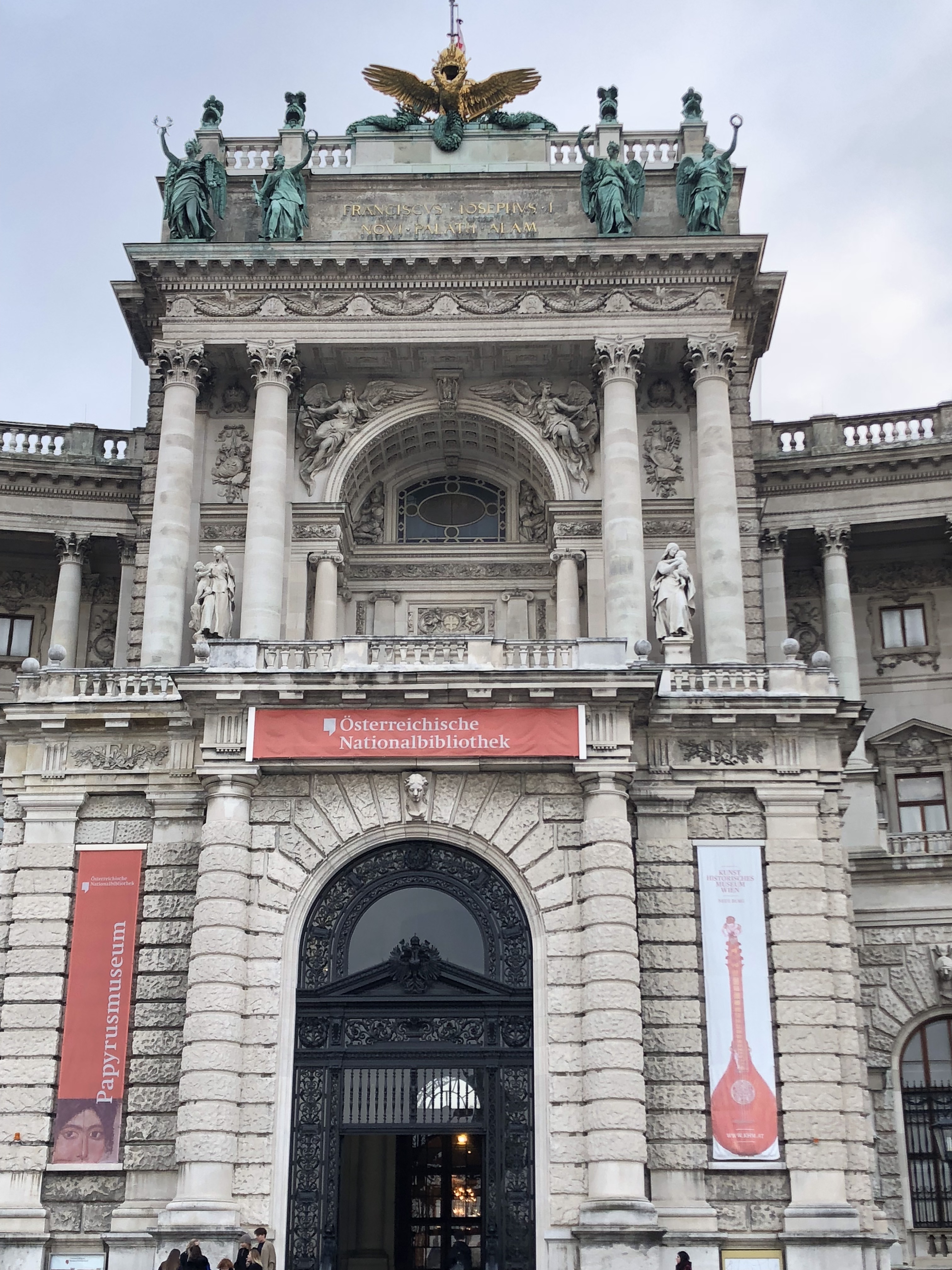
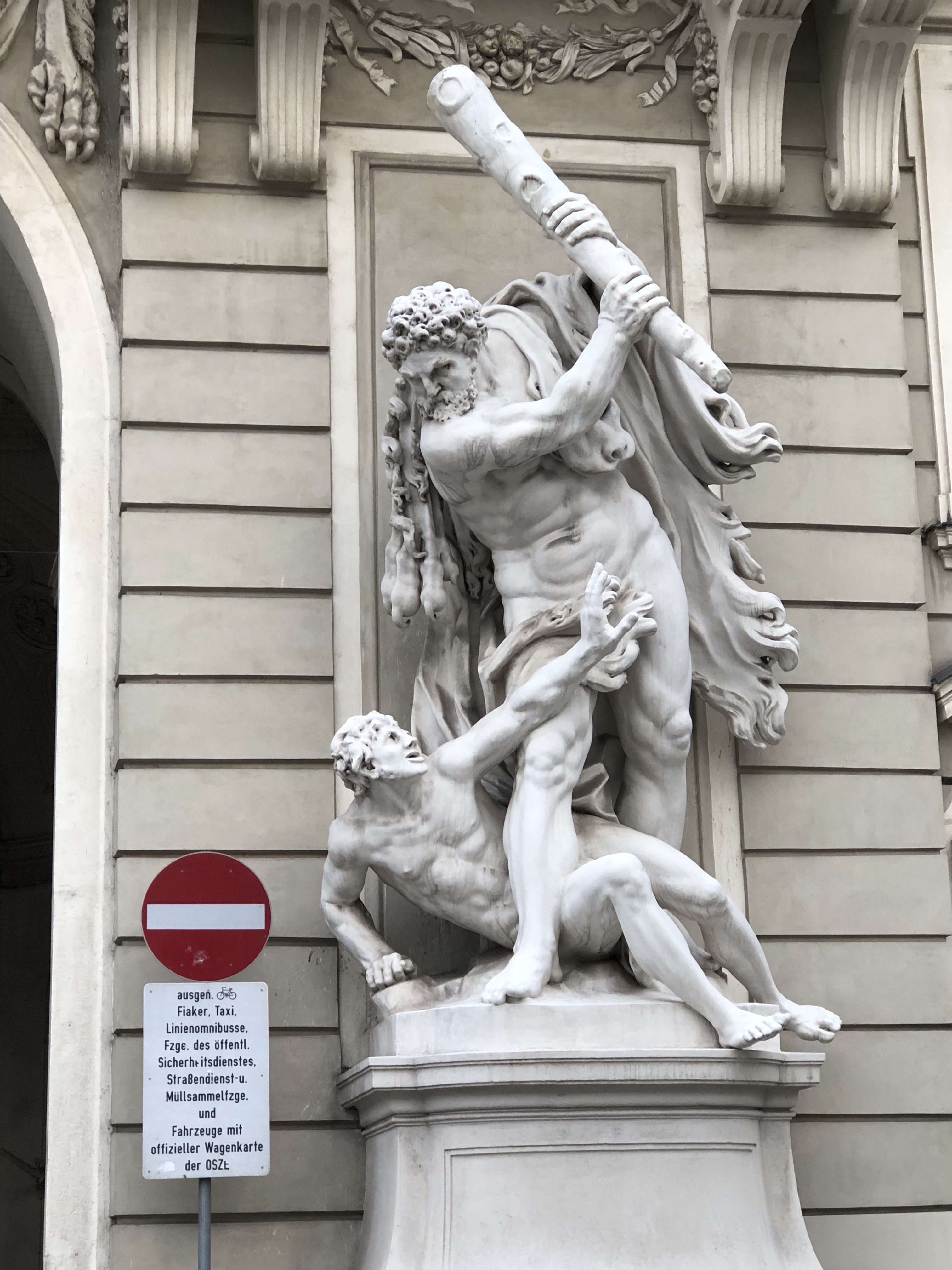
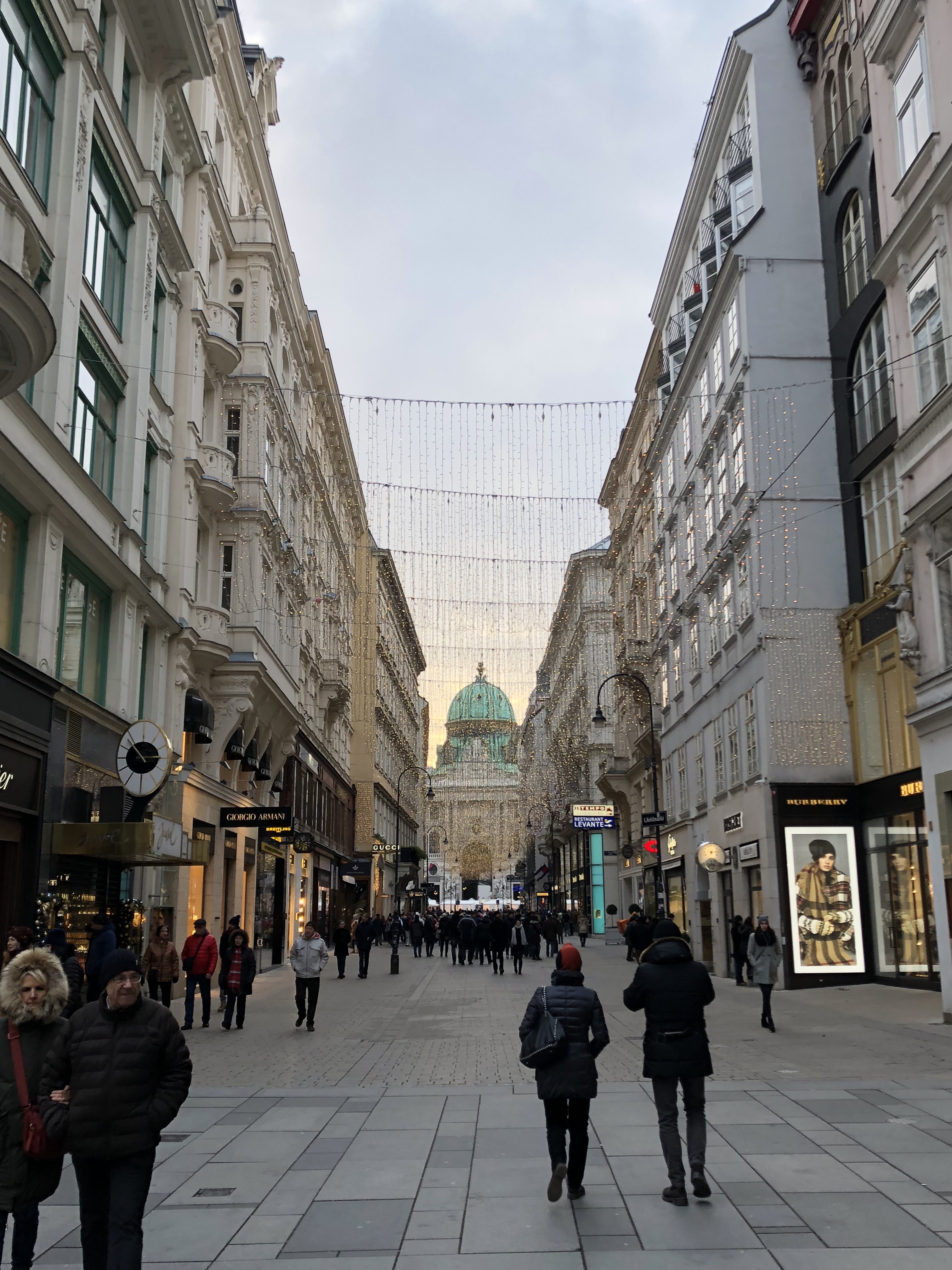
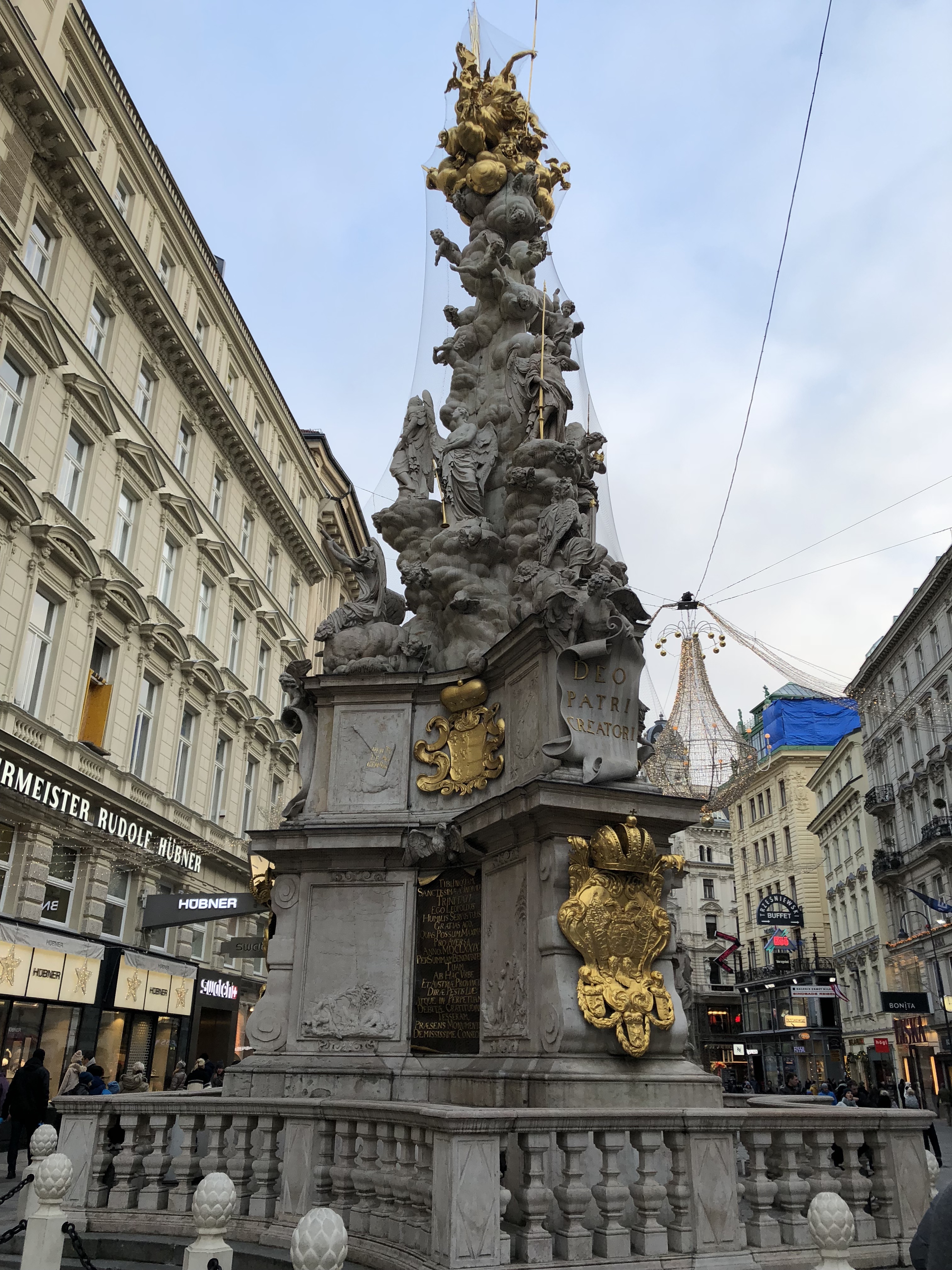
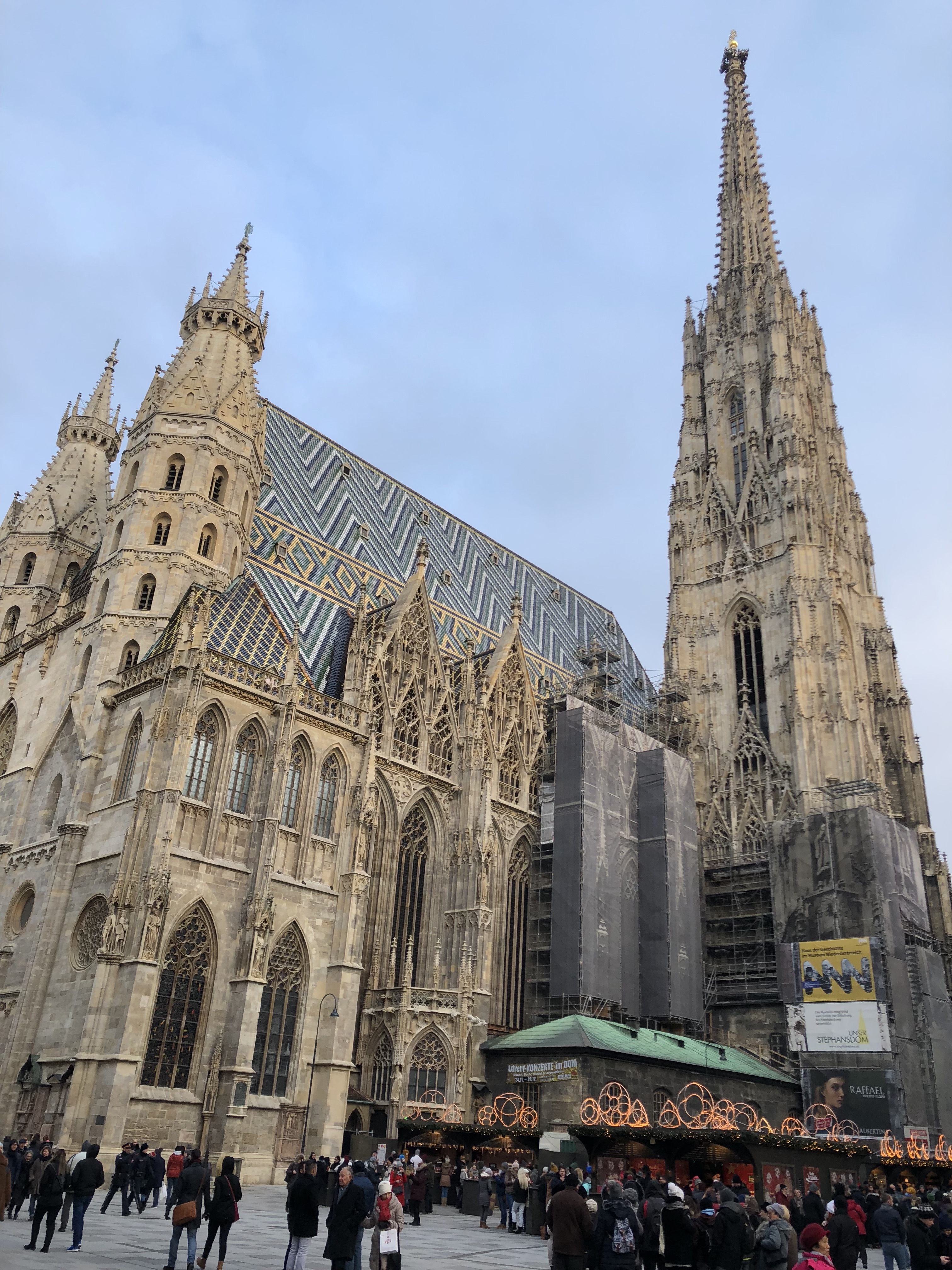
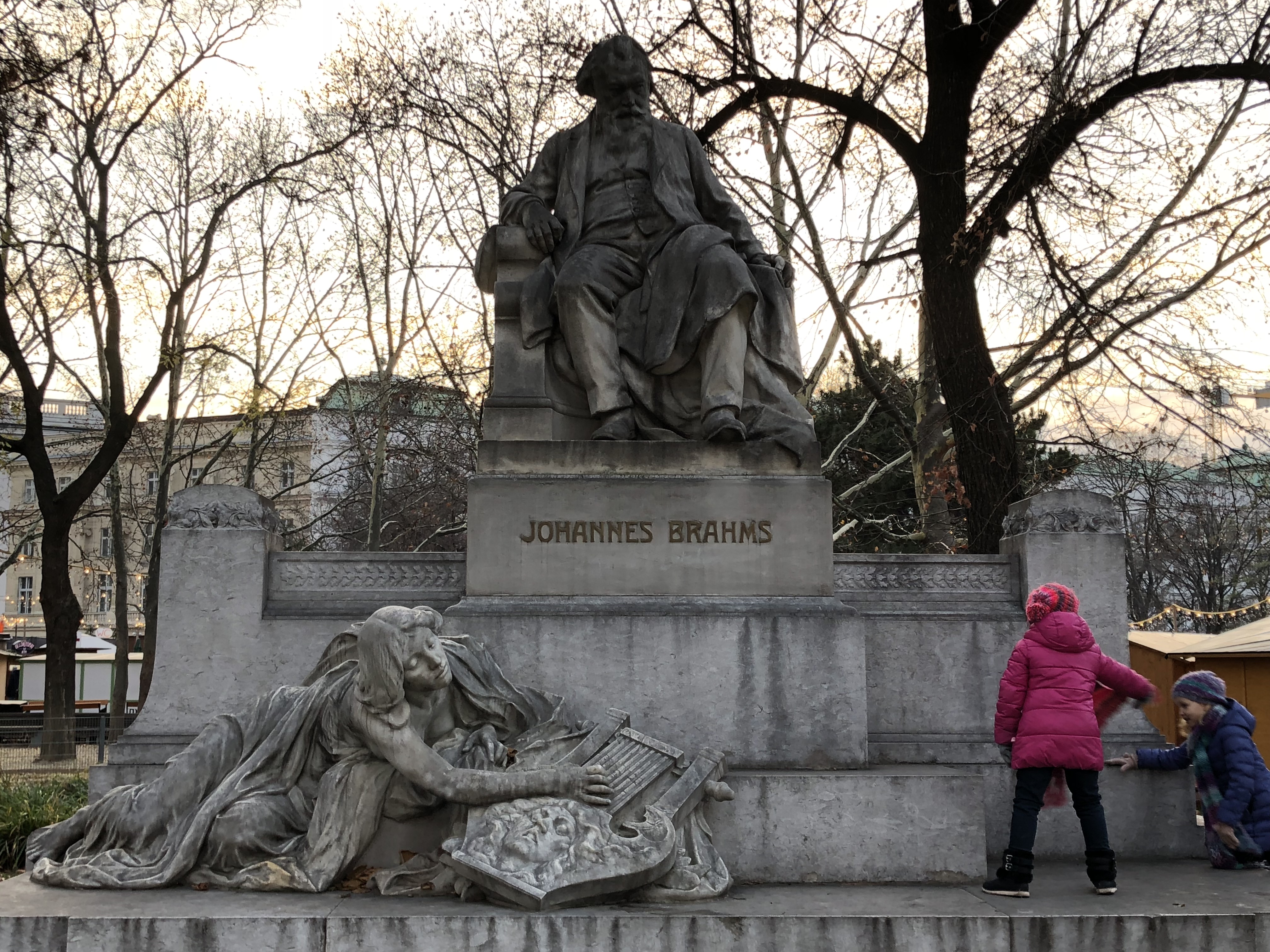
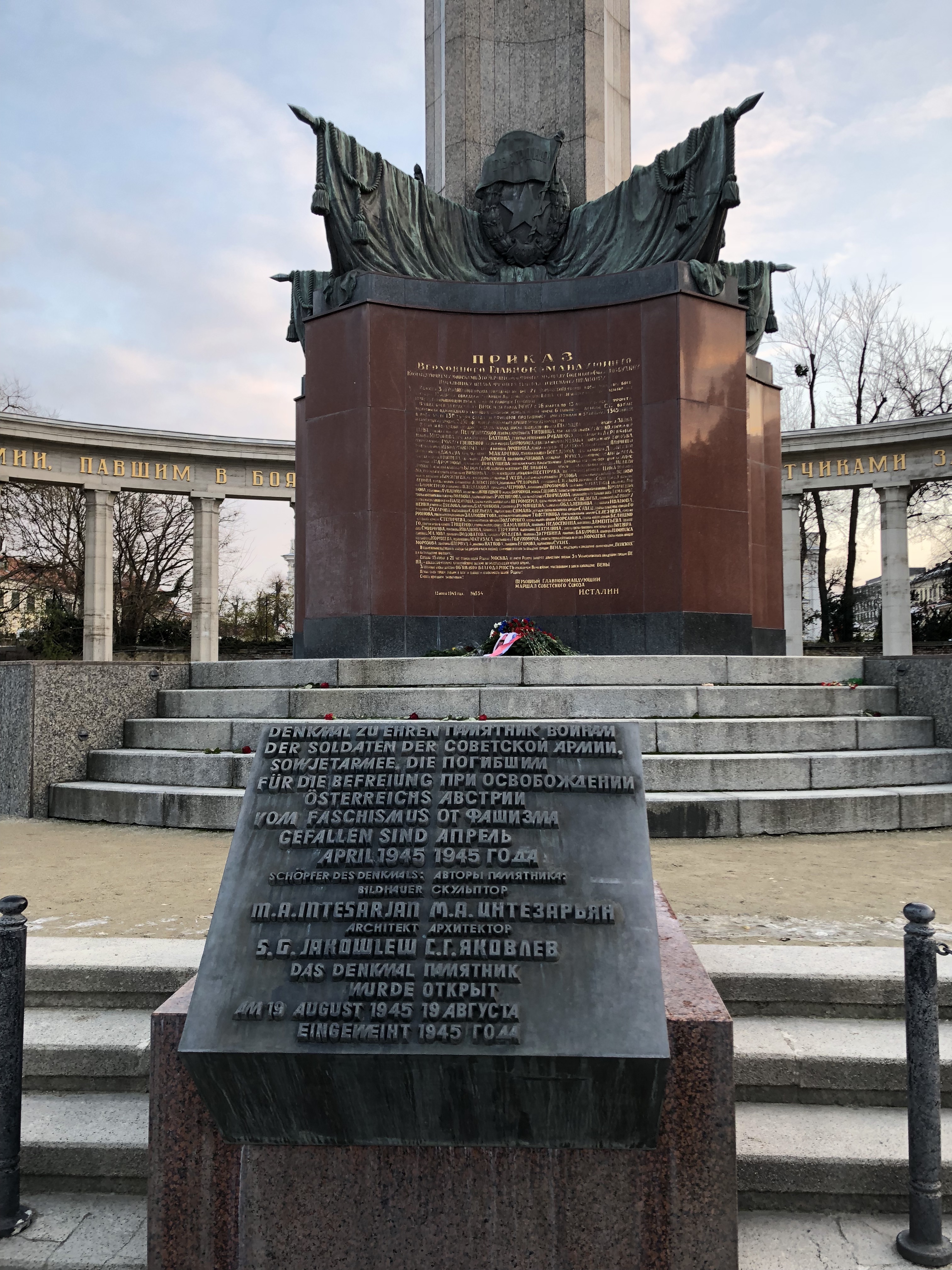
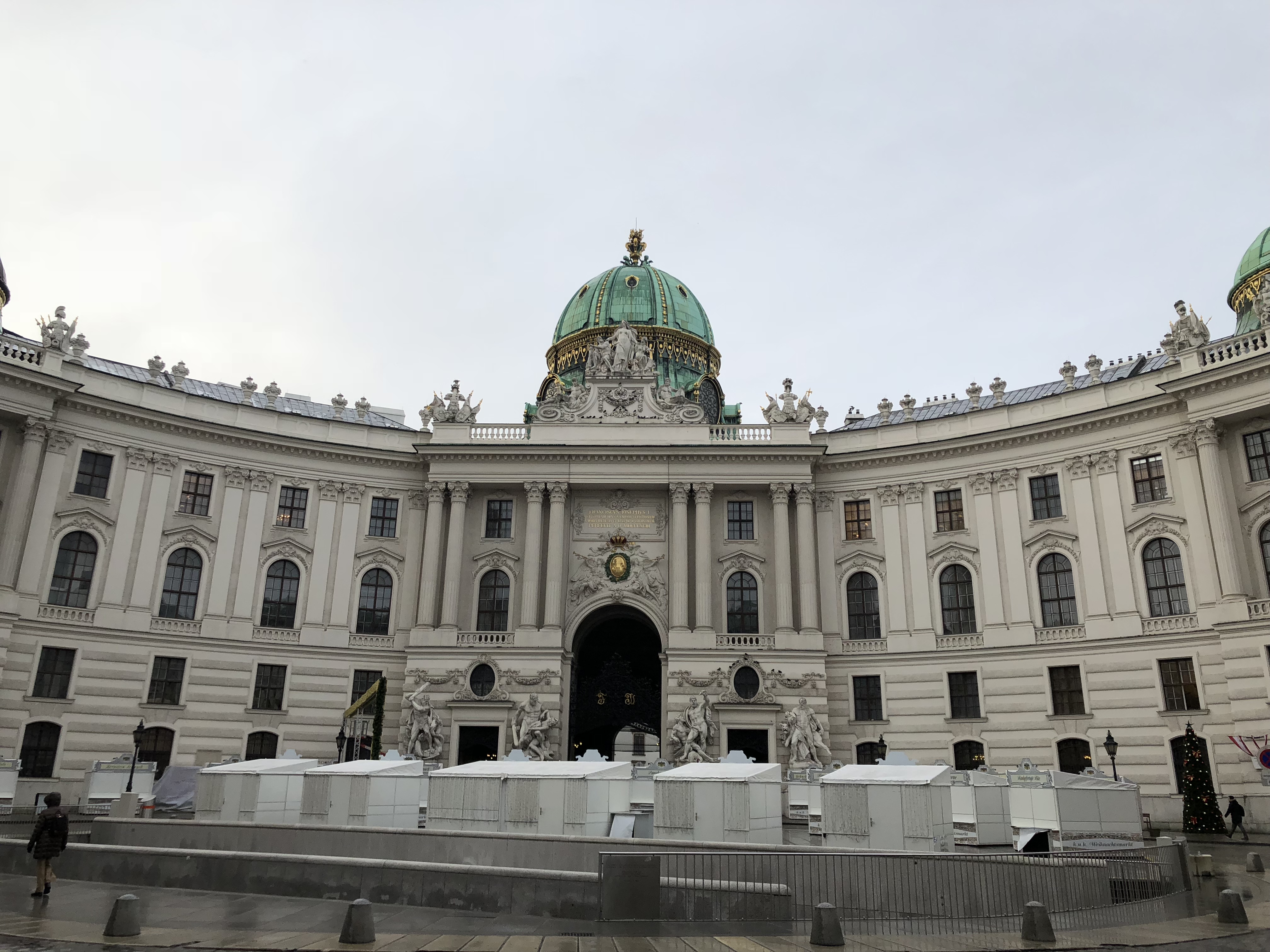
For lunch from 1-2 p.m., we stopped by a place called Cafe Landtmann, a place that was reportedly Sigmund Freud’s favorite place for a morning coffee. We actually ended up mostly getting sweets instead of a filling meal though, and I’ll cover that in another installment. They gave us the energy we needed to meander through the old town part of Vienna. Like most European old towns, this was a section of pedestrian-only streets surrounded by older architectured buildings. Though the rows of buildings were similar in height and grandeur to the ones in say, Paris, they also looked much newer. I’m not sure whether this is because most of the old town was destroyed by WWII bombing raids, or more recent renovations. First we passed by the Hapsburg palace, the imperial family’s usual residence. It was huge, but because it was integrated into the city it didn’t give the same imposing presence that the Schonnbrunn did. Also of note was the St. Stephens cathedral in the very heart of old town: Stephensplatz. The colorful tiling on the church’s roof is what makes it distinctive, countering our other friend’s claim that “once you’ve seen one church, you’ve seen ‘em all”. Since we weren’t able to enter the Schonnbrunn or Hapsburg palaces, we eventually headed instead to the Belvedere palace, on the eastern edge of the city center. Along the way, we passed a Brahms statue that was getting attention from some kids. Soon thereafter was a Soviet war memorial, which I didn’t expect to see because of how the Iron Curtain fell. It made more sense when I learned that the Soviets had in fact been the ones to drive the defending Axis army out of Vienna in April, 1945.
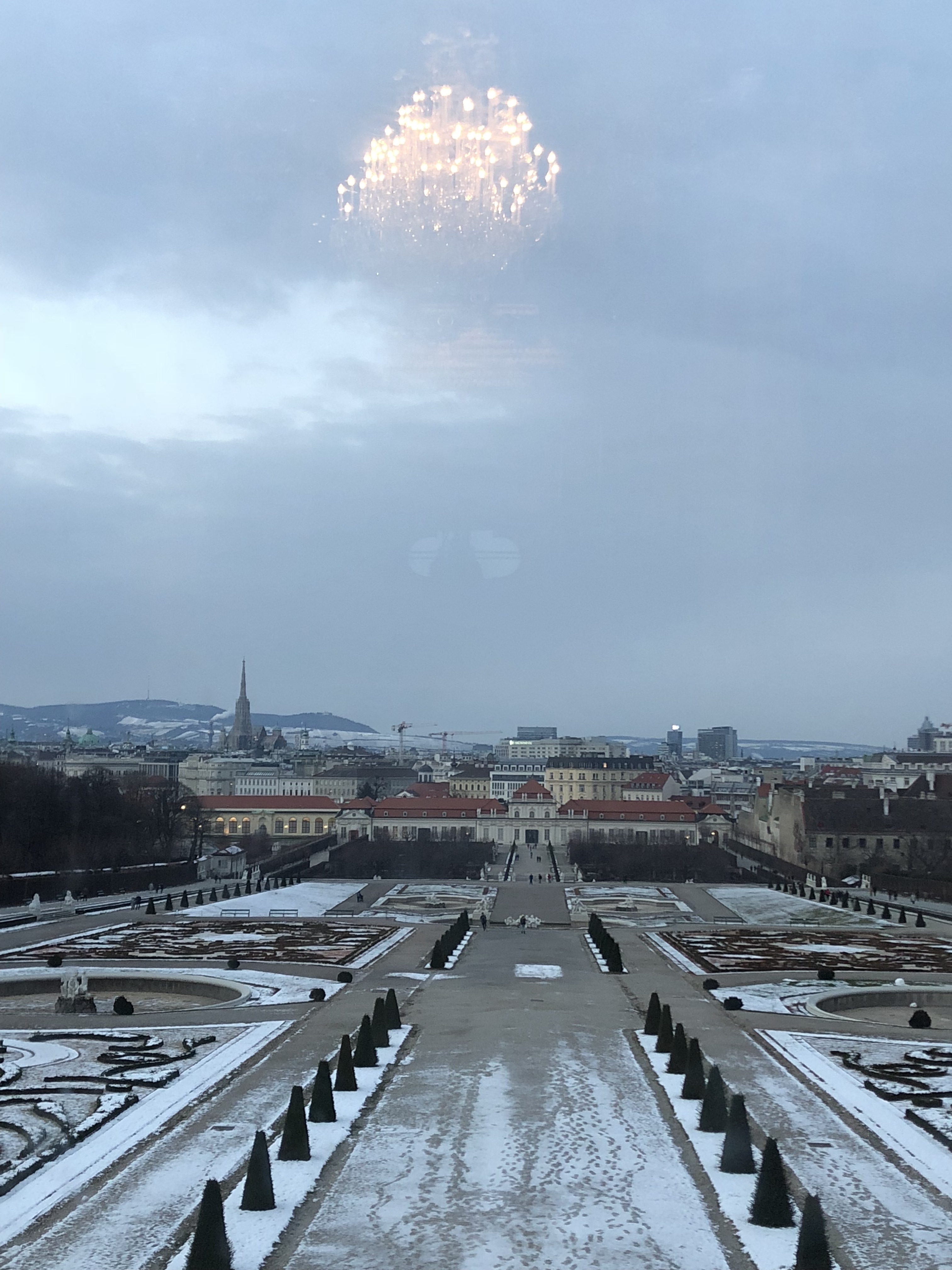
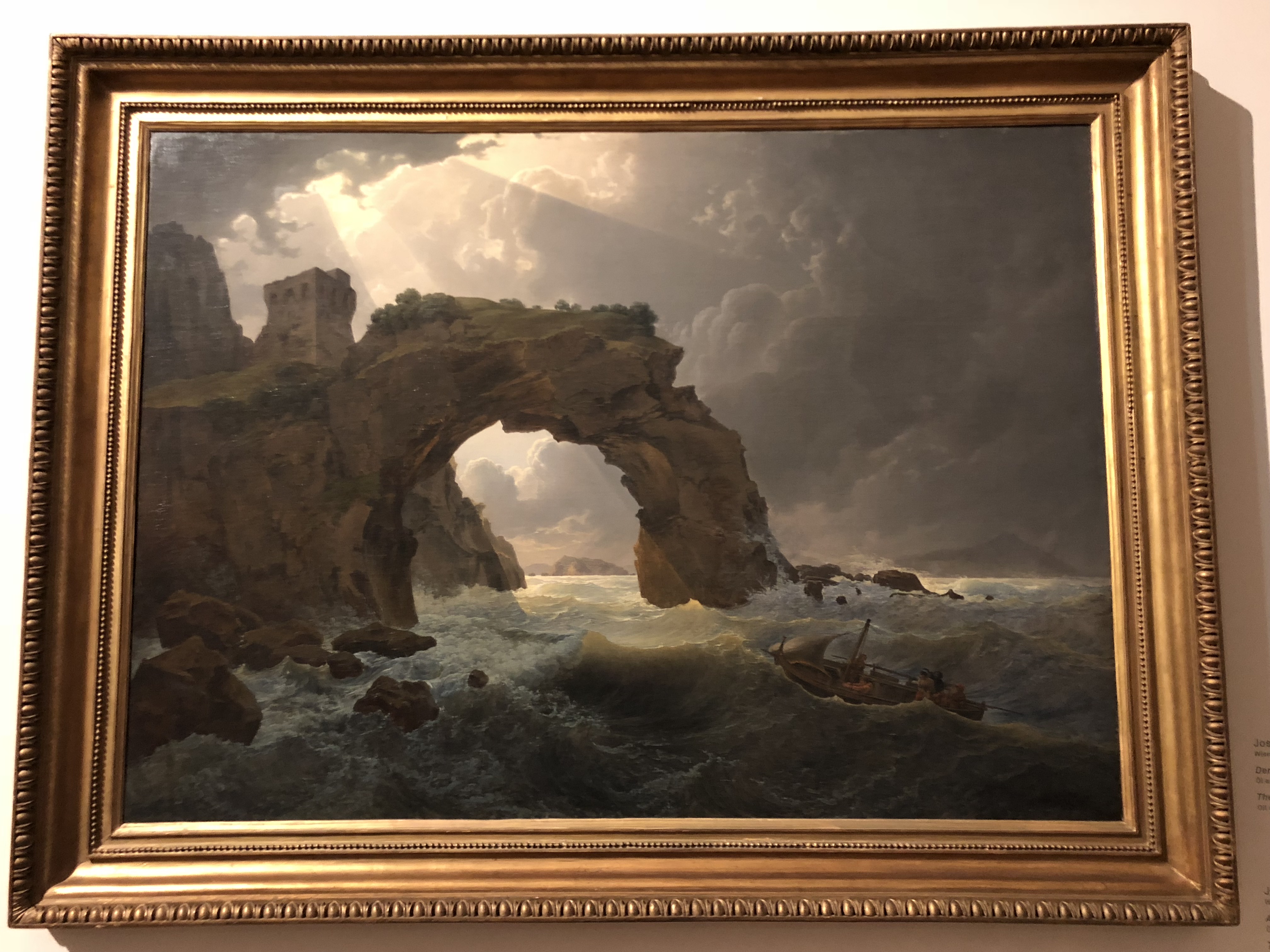
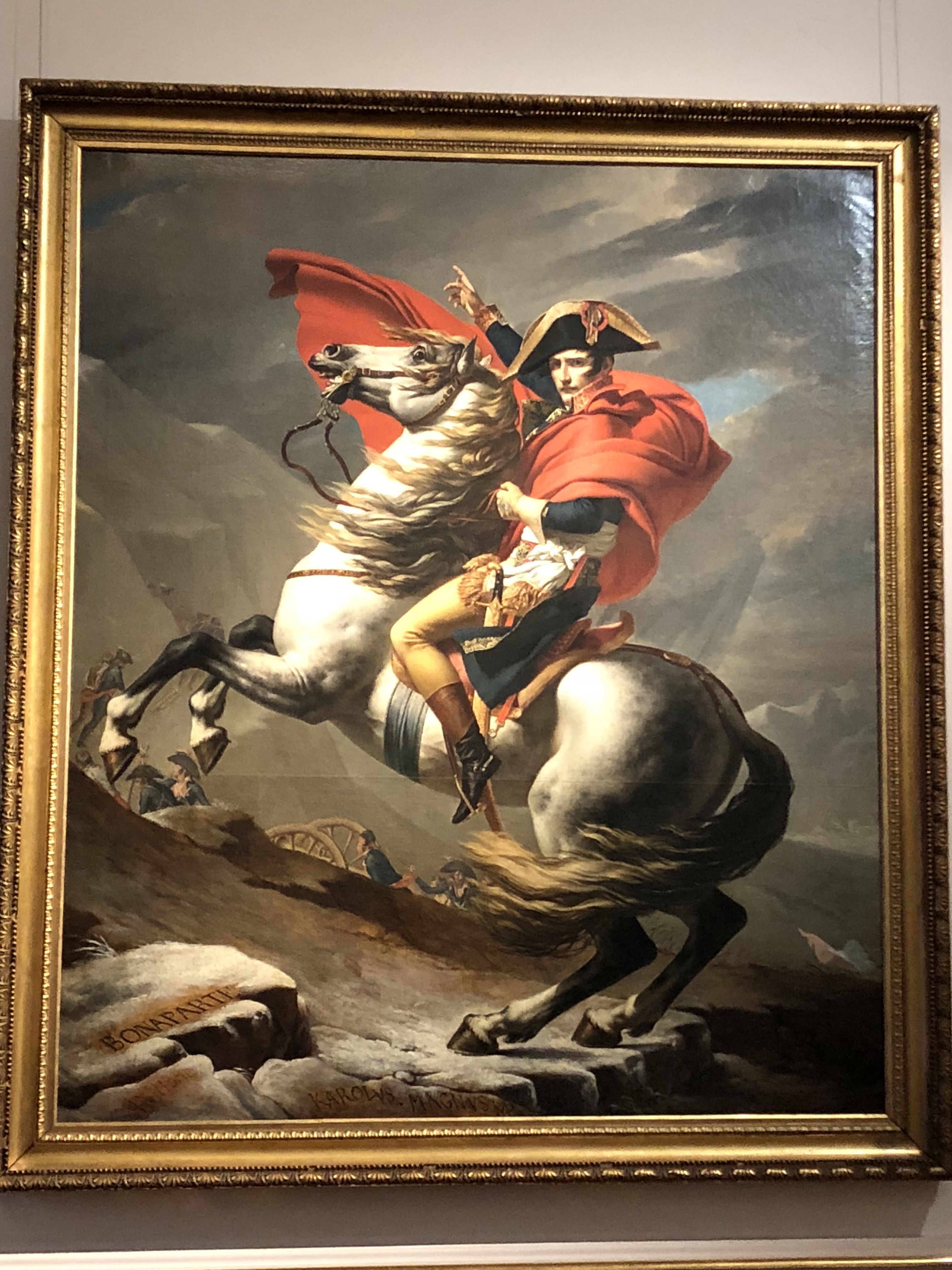
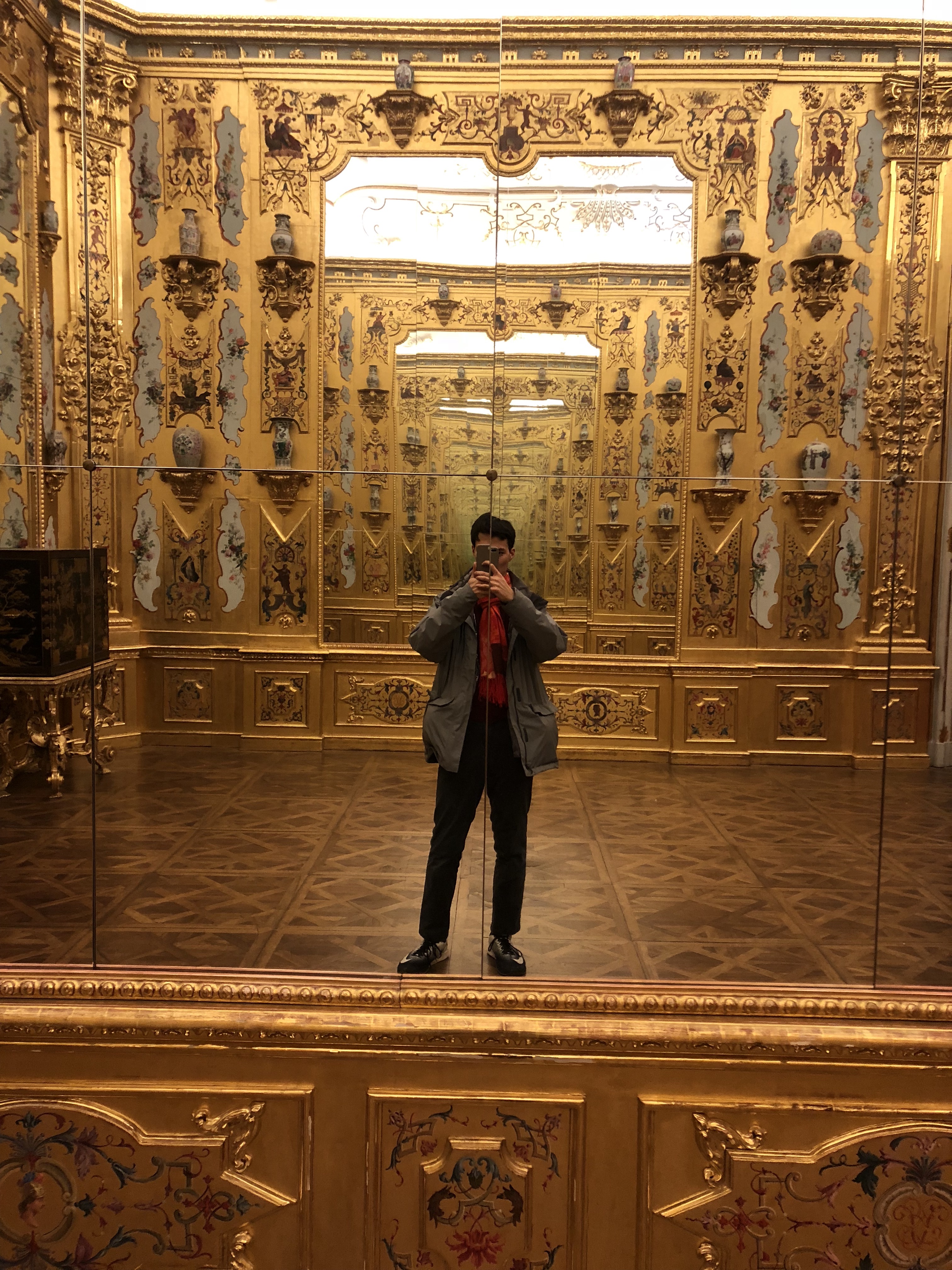
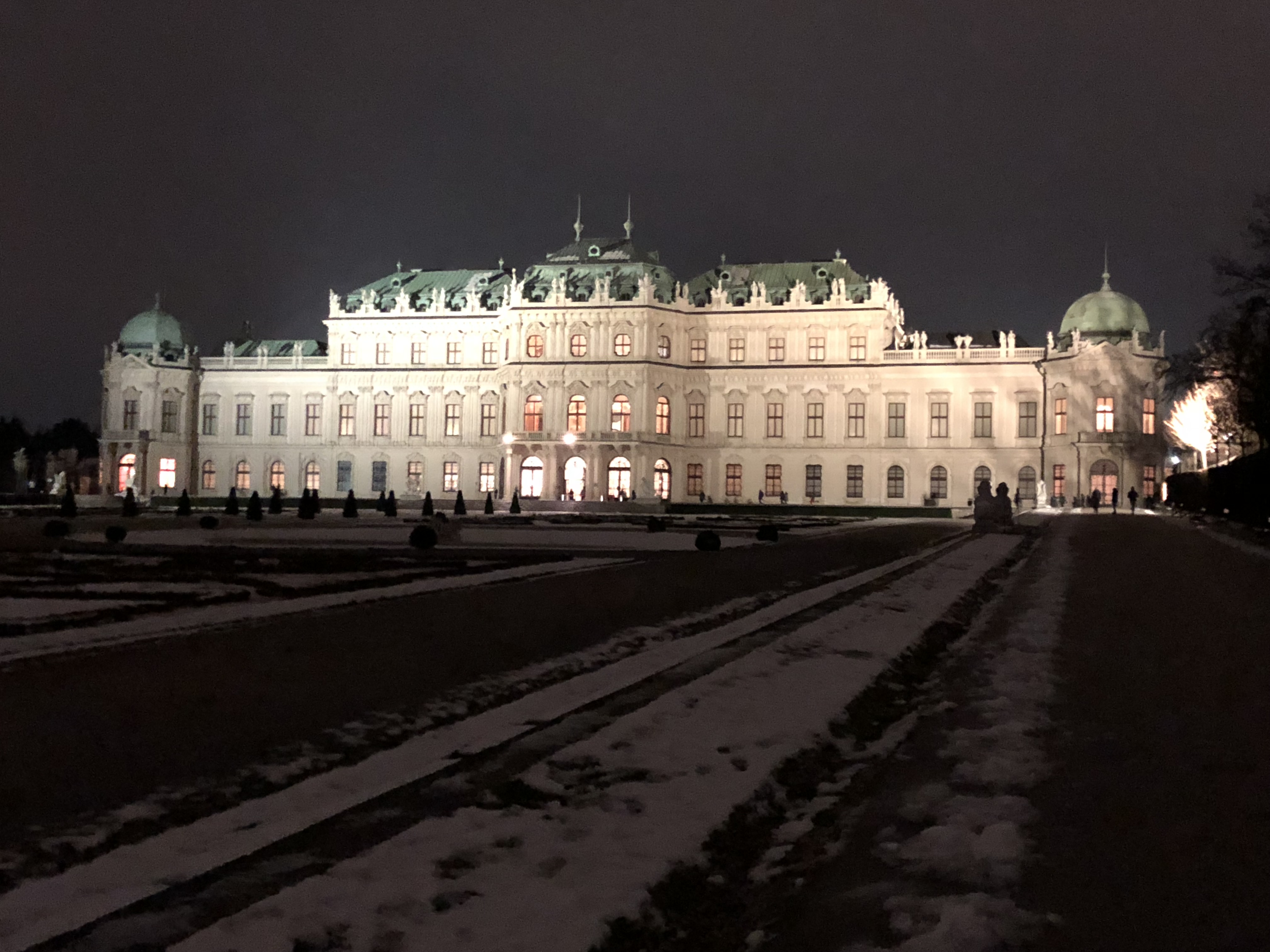
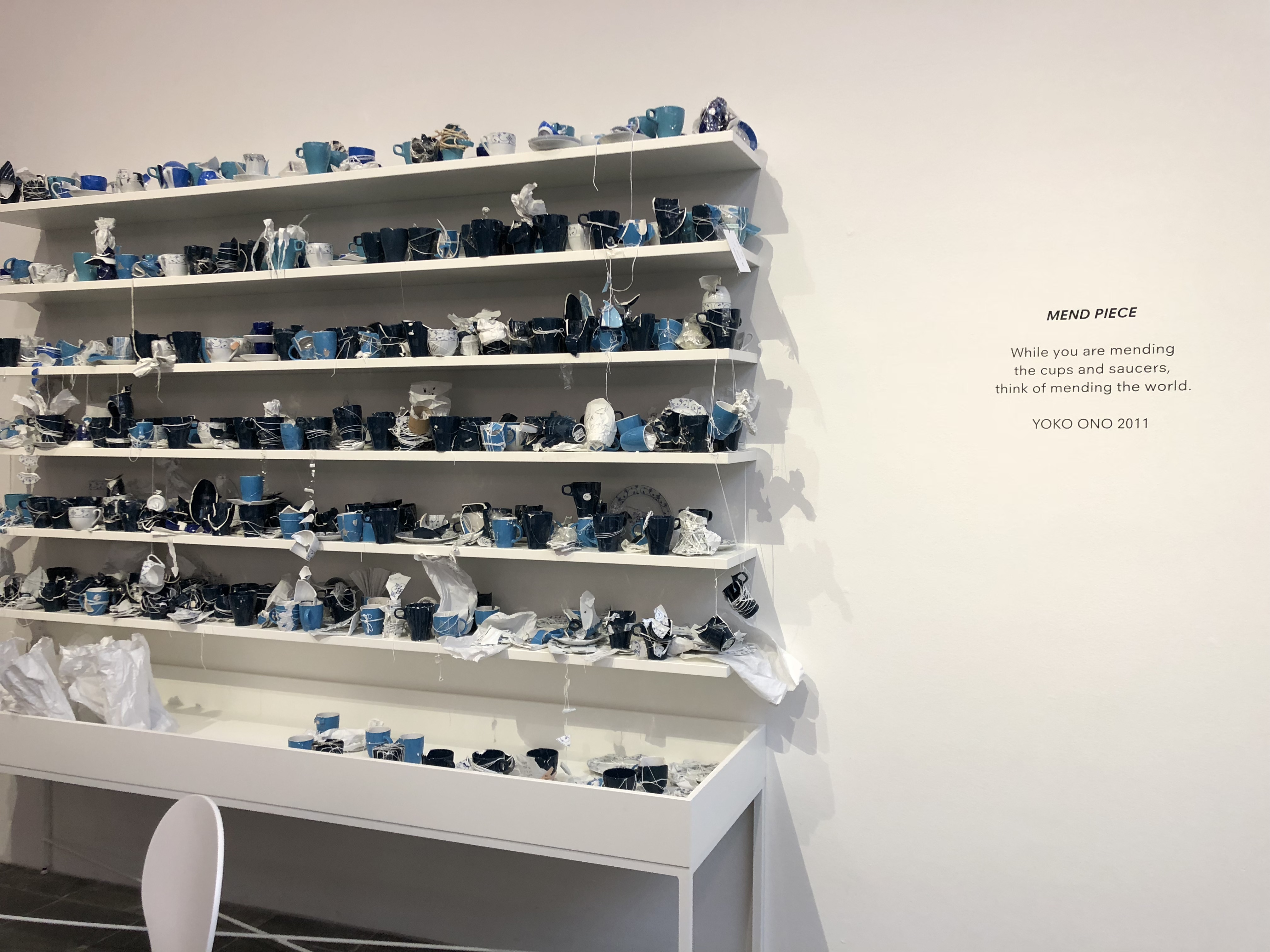
The daylight hours are not long in European Decembers, and the sun was already starting to fade as we reached the Belvedere palace around 4:30 p.m. It was elegant without being flashy, and definitely less opulent than the other two palaces we saw. An entry ticket gave us access to the palace itself, and a museum of paintings on the opposite side of a wide garden. The rooms of the palace were filled with paintings rather than the original furnishings, so it was hard to imagine what it would have been like if someone actually lived there. Another surprise for me was that Napolean’s portrait was featured prominently in one room. As an enemy of the Hapsburgs and the one who decimated their armies at the battle of Austerlitz, I would’ve thought they’d opt to leave him out. On our way out we saw a modern art installation nearby and decided to do a quick visit. It featured a lot of Yoko Ono art pieces, and even a set of ping pong tables. That was our last stop before continuing on to get dinner, which is covered in the food installment.
After dinner, our group split so that I could do some souvenir shopping at the Christmas market, and my friends could visit a Mozart music museum. I ran out of time while shopping so I never actually made it there, so I’ll have to ask my friends if they remember how that was. Anyway, we all got back to the AirBnB at about 11 p.m. and were straight exhausted. We’d been going full throttle in freezing weather since 9 a.m., and covered over 15 miles of walking. Being a sturdy traveler, I commended Joel for planning such a fun and packed day in this city. However, our companion who was less used to such a heavy schedule never quite recovered, and required 10 hours of sleep per night plus a 3 hour afternoon nap most days. So, it’s worth noting that our plan may not be for the faint of heart.
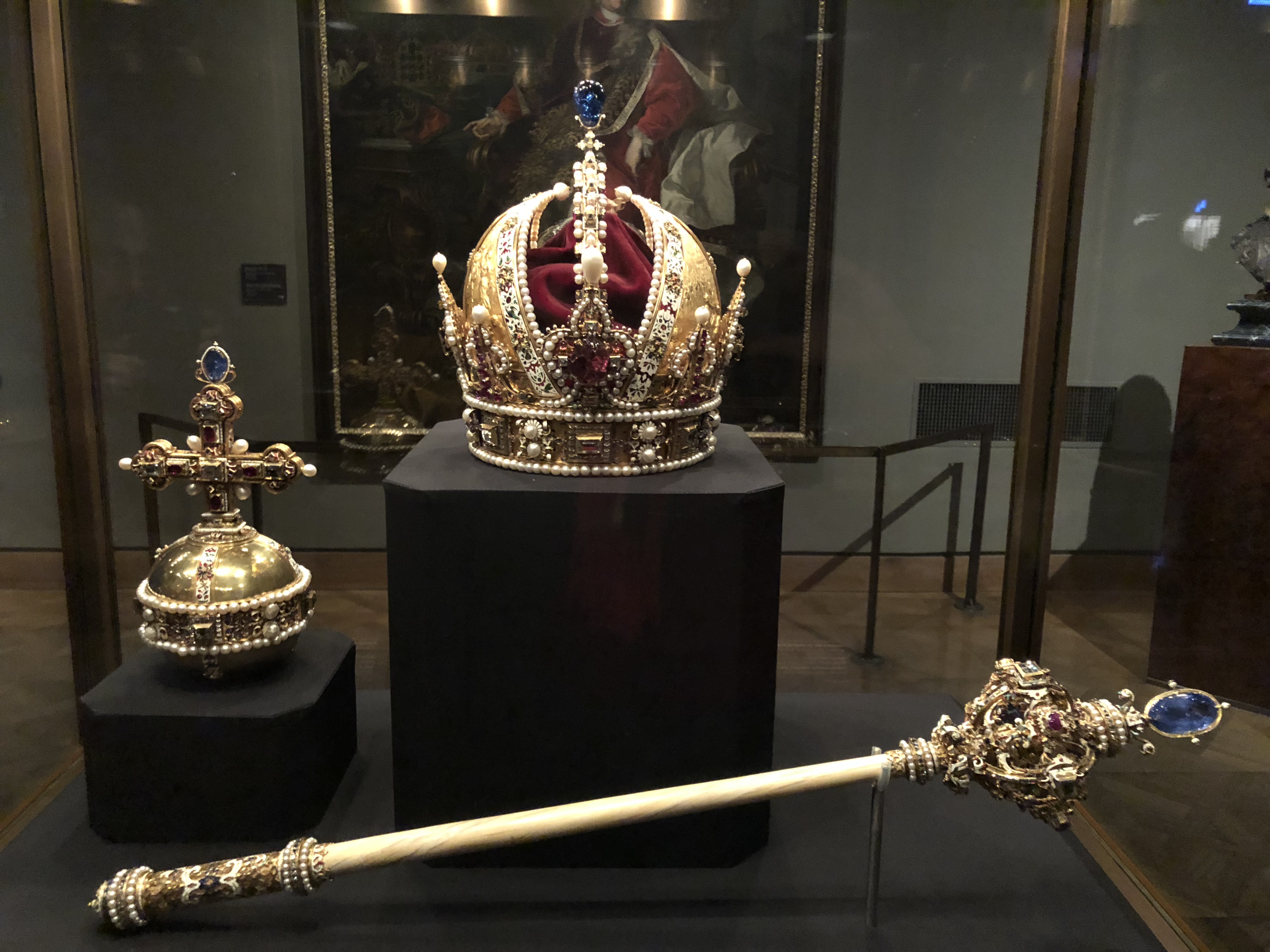
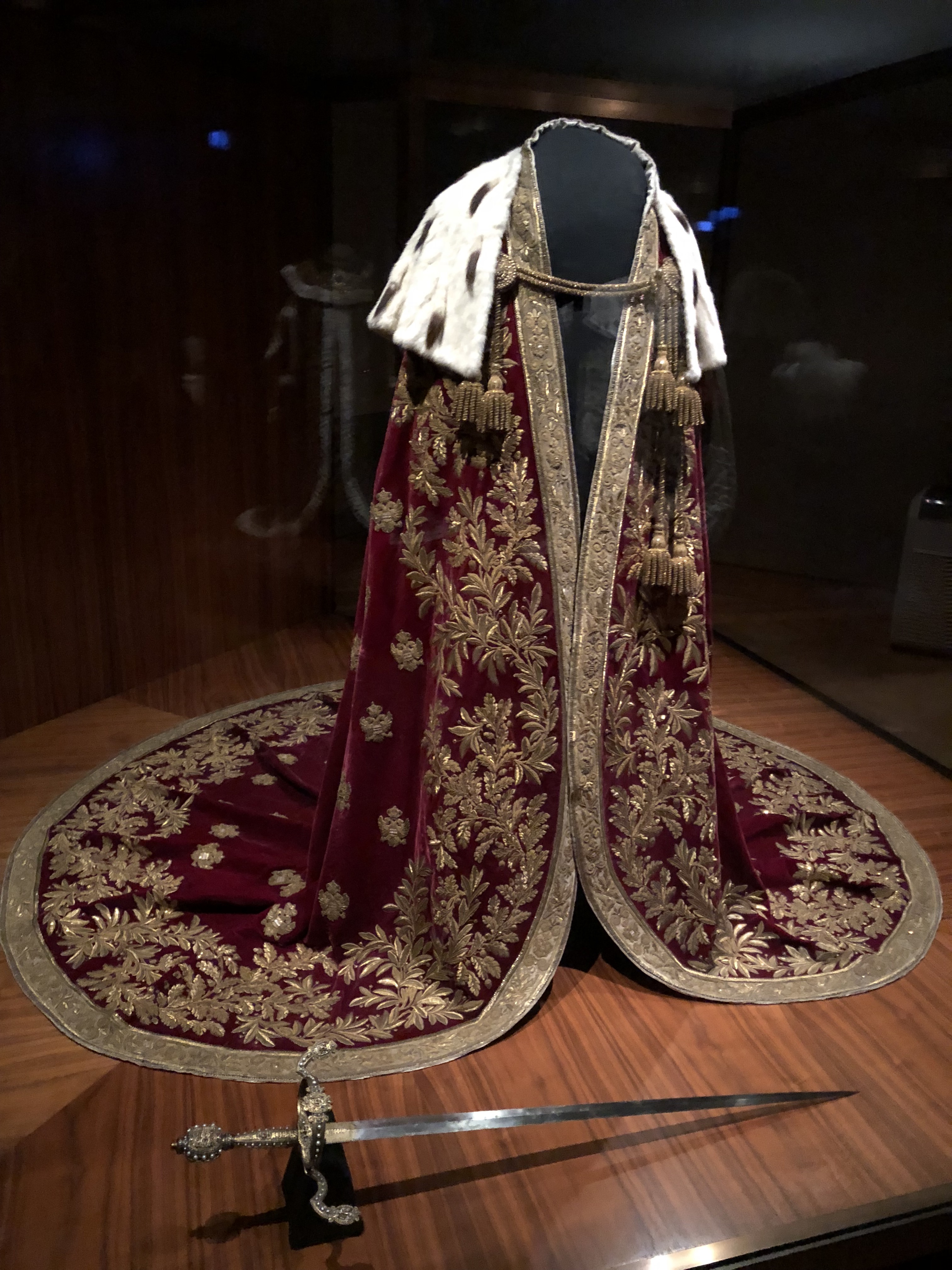
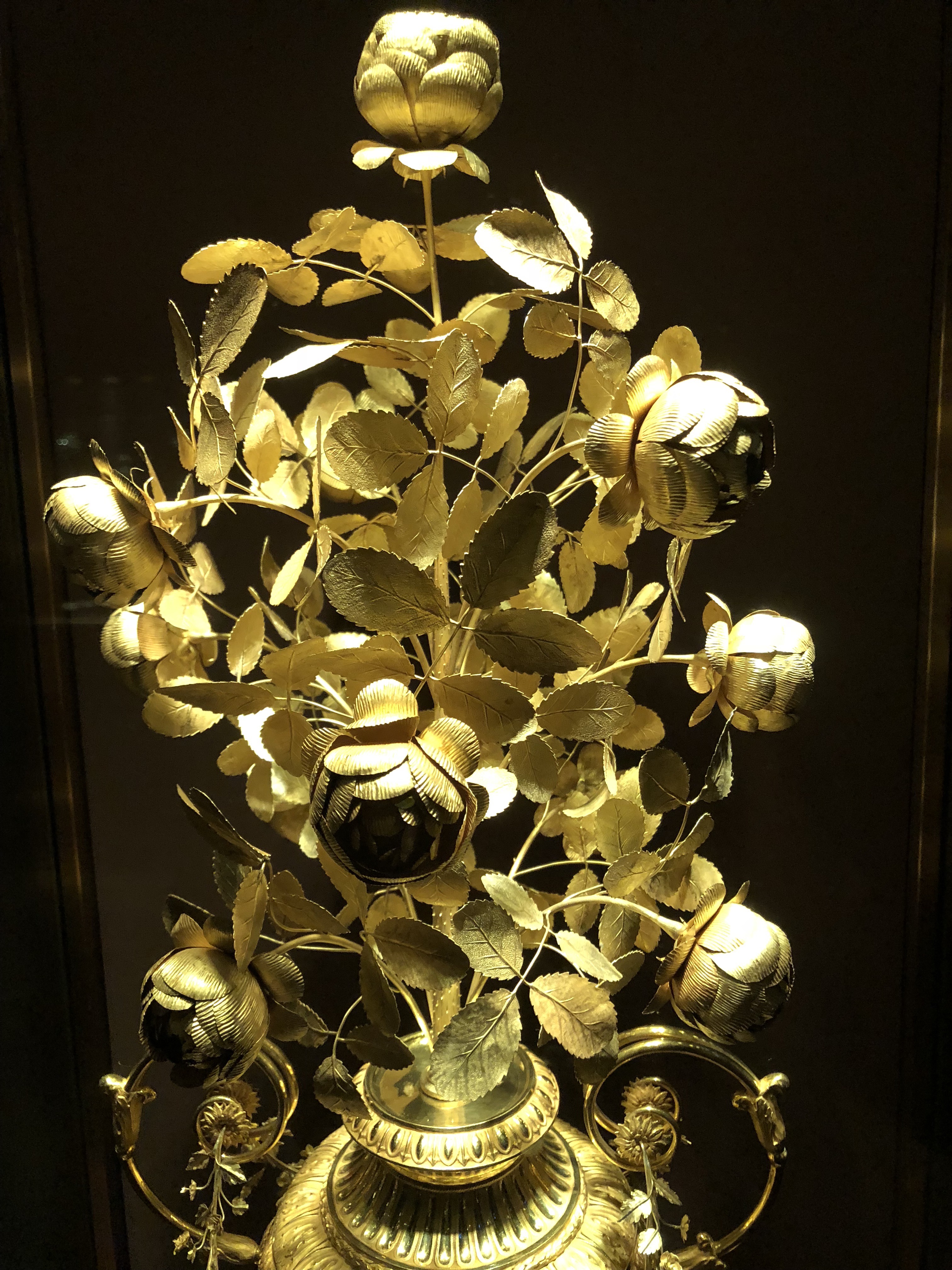
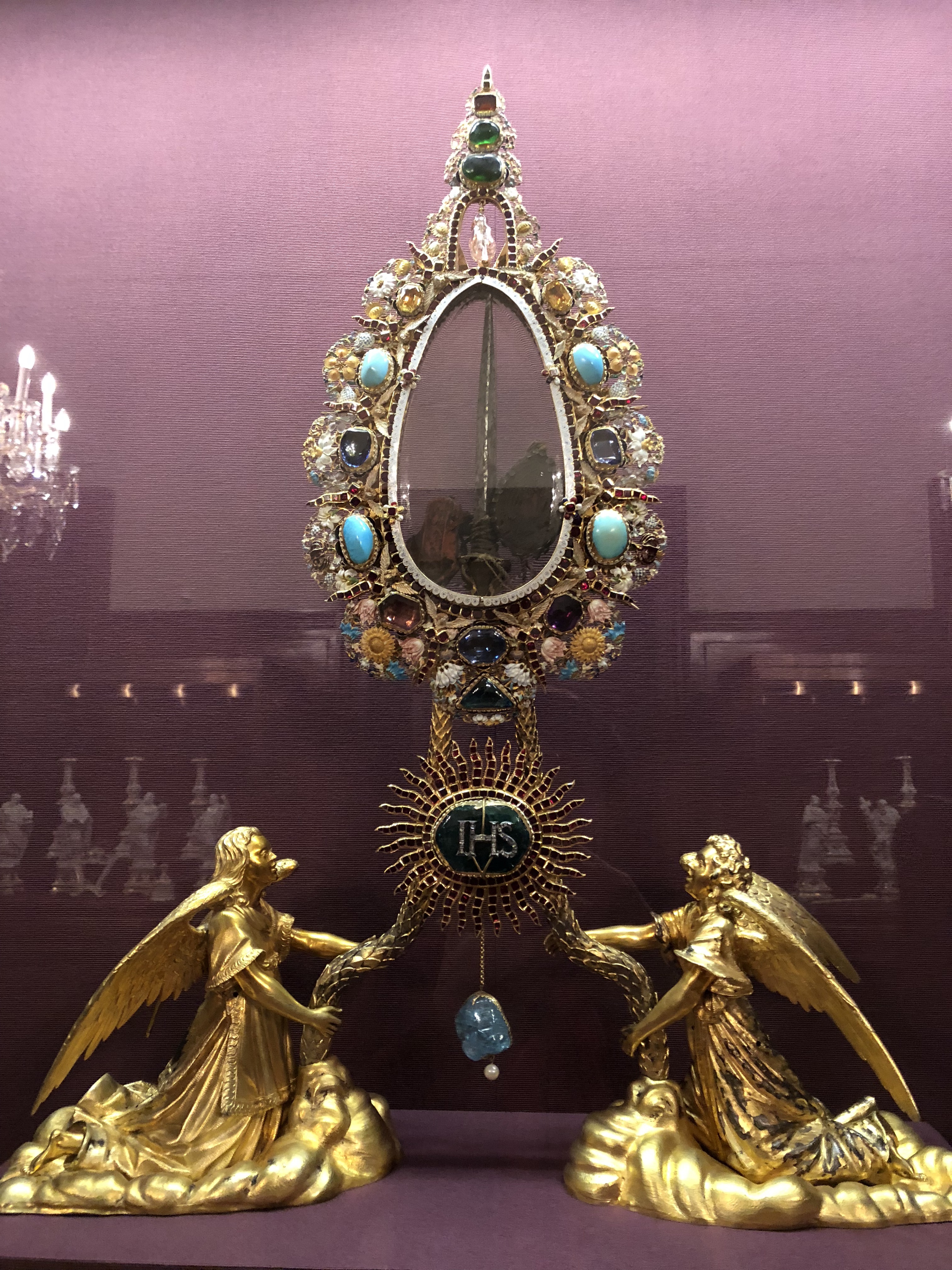
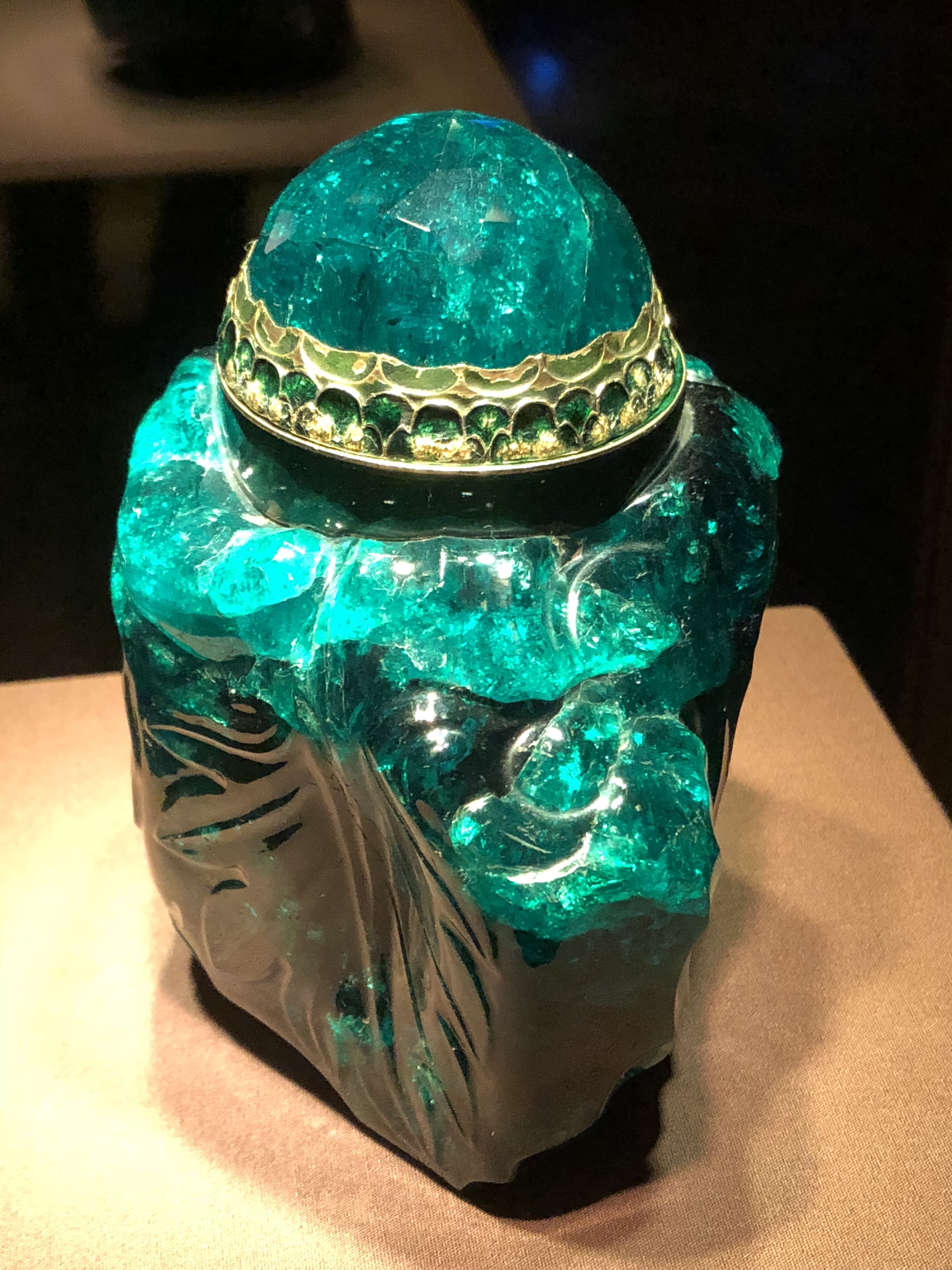
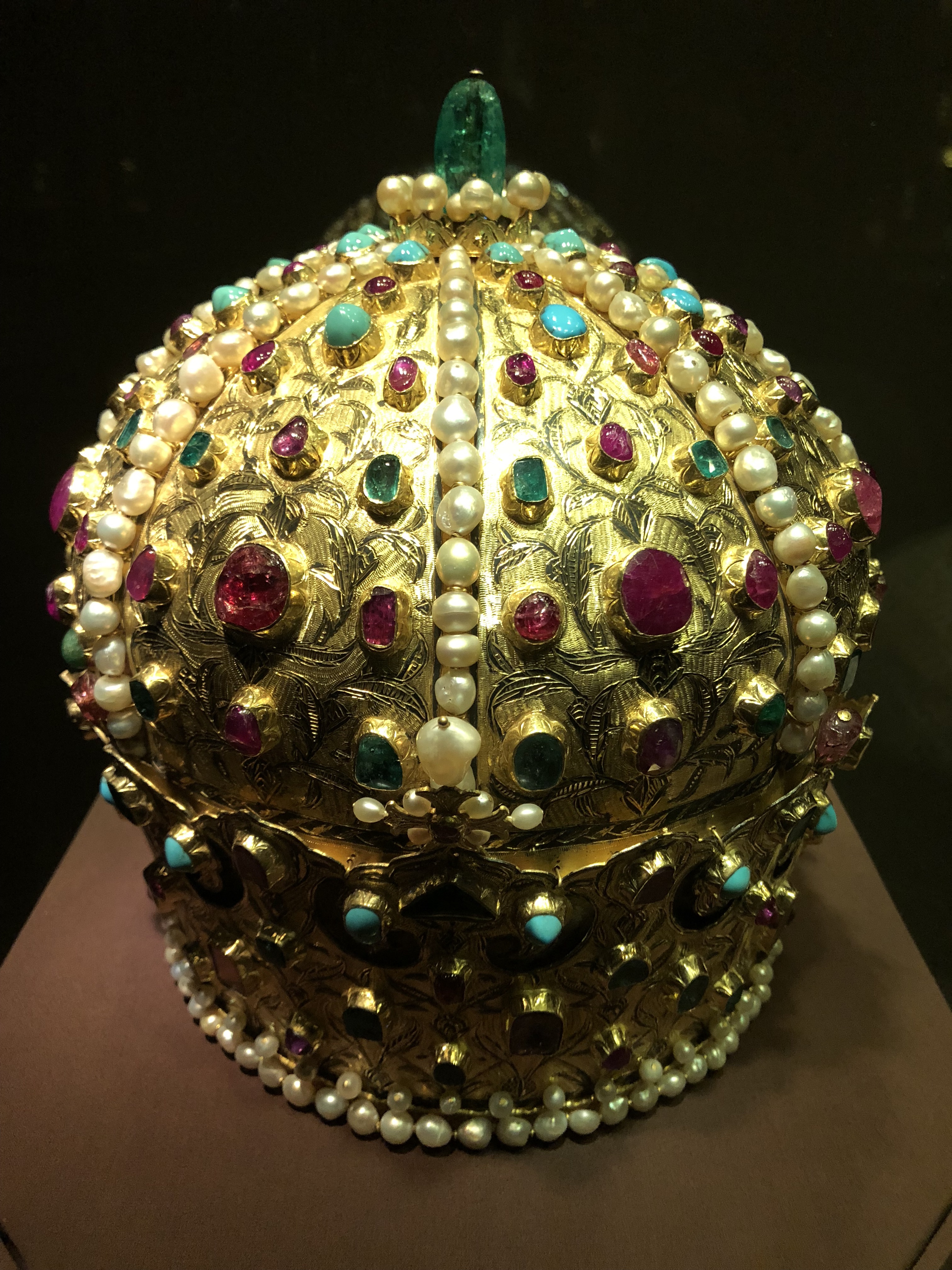
Although the rest of my party slept in ahead of our train ride to Budapest, I woke up early enough to spend an hour at the Imperial Treasury museum the next morning. I was interested in visiting because of Vienna’s status as the former head of the Holy Roman Empire. And I must say, its collection did not disappoint. Featured near the beginning were the scepter and orb, as well as the emperor’s crown. Whenever I see regalia like this, I’m still in awe that a relic reserved for a select few for so long is now accessible for someone like me to see for just $10. There was a collection of robes, including the ones Napolean wore at his coronation in Notre Dame as the new emperor. Most impressive to me though was the craftsmanship for large gems, or pieces of gold leaf. The world’s largest full emerald was a set piece in this exhibit. Imagine being the fellow tasked by the nobility with handling that, and what the consequences would be if you messed up. An assortment of roses sculpted in gold leaf also caught my eye. They were so intricate as to even be adorned with thorns. Last was an enshrinement of a nail said to have been part of the crucifixion of Christ. But it had only been traced back to the Crusades, making me skeptical that they could’ve just picked any old nail… Anyway, after about an hour it was time for me to meet my friends at the AirBnB and catch our train to Budapest!
 Miles Down the Aisle